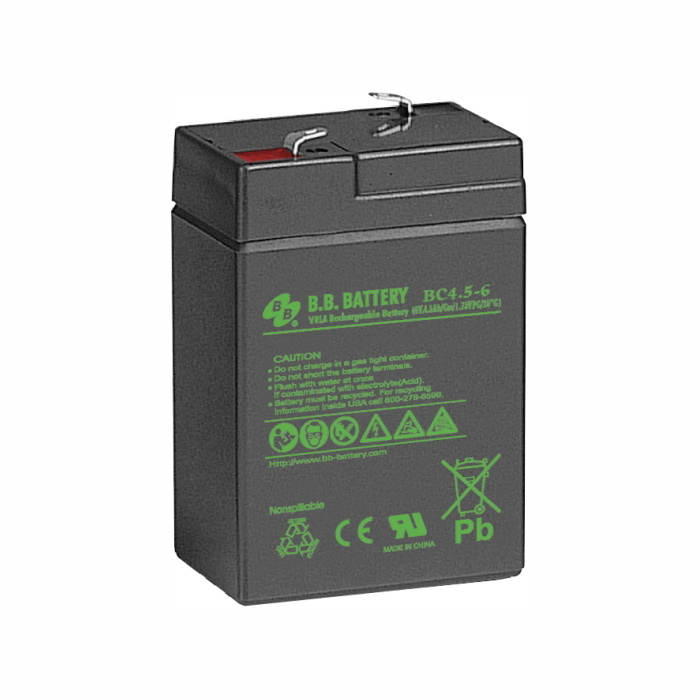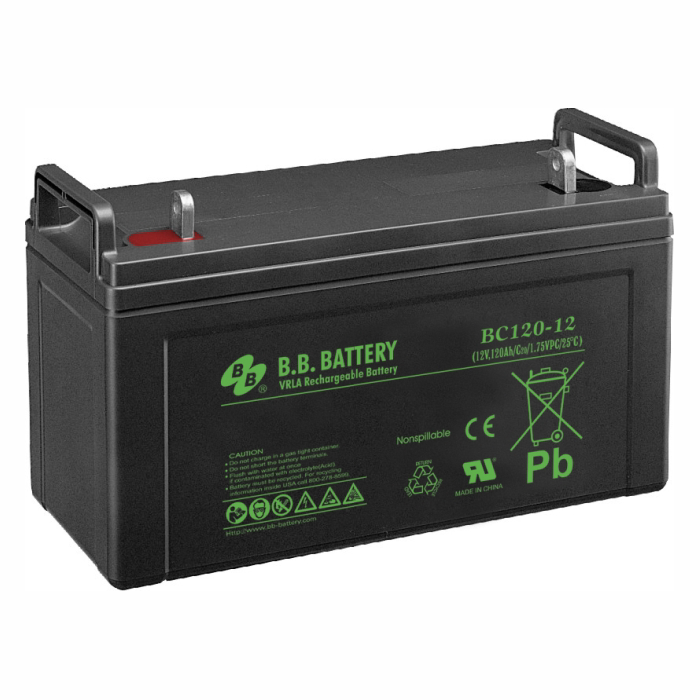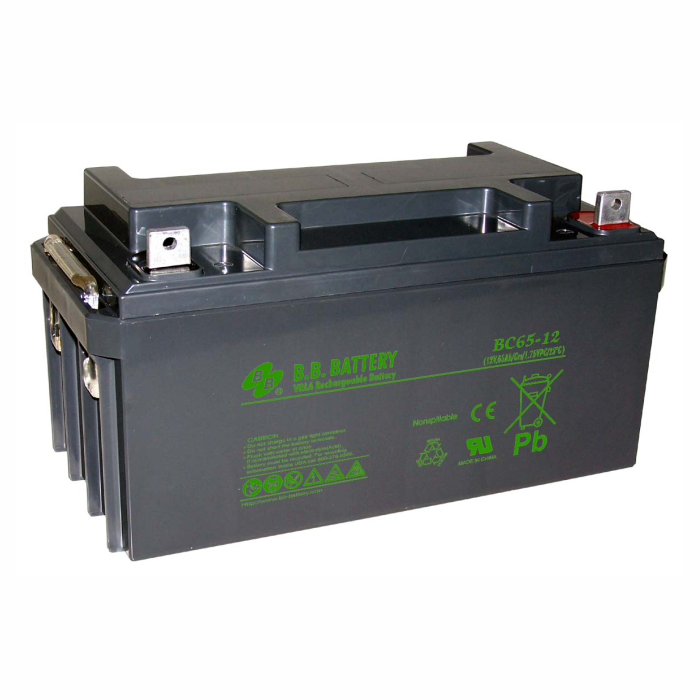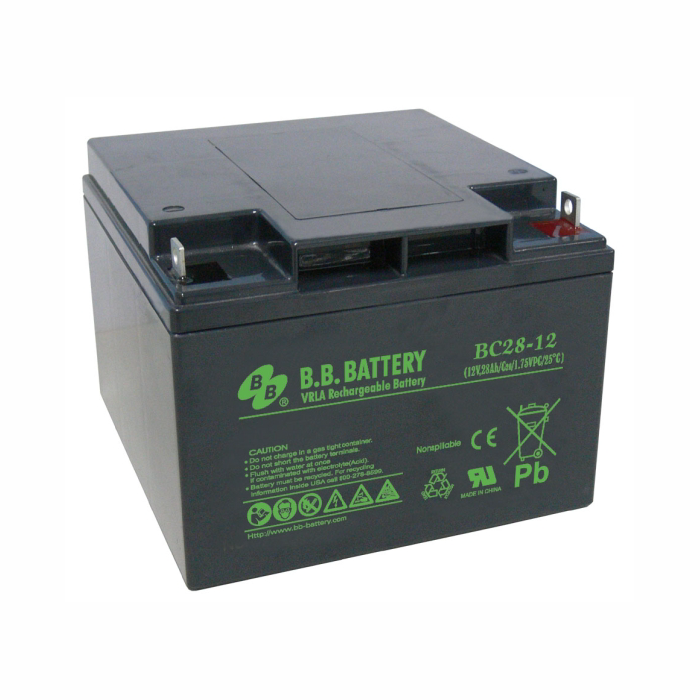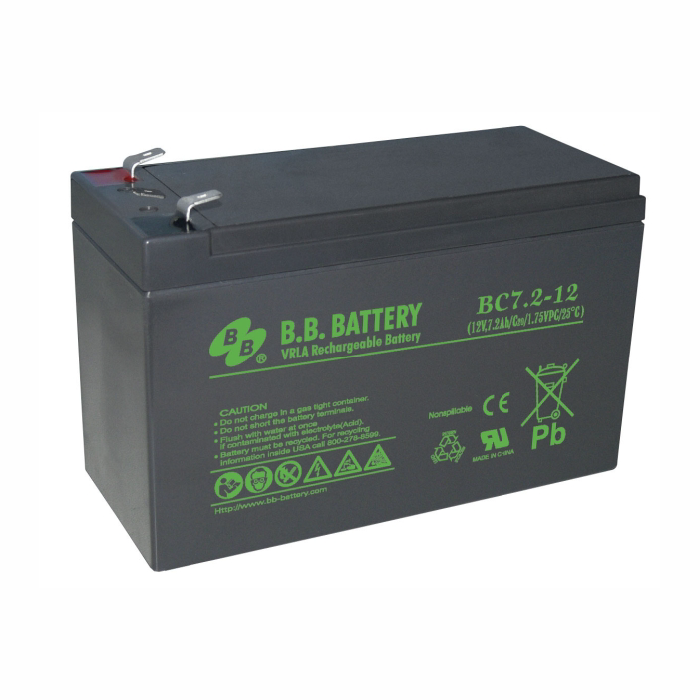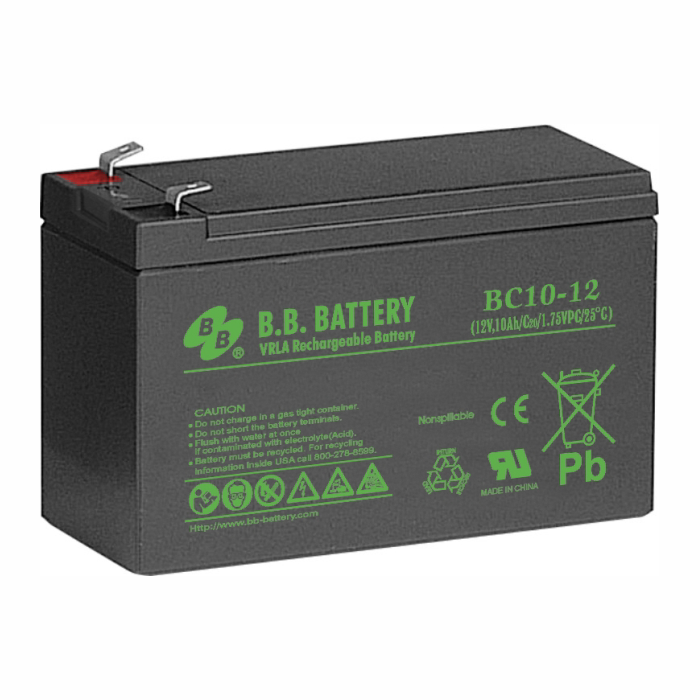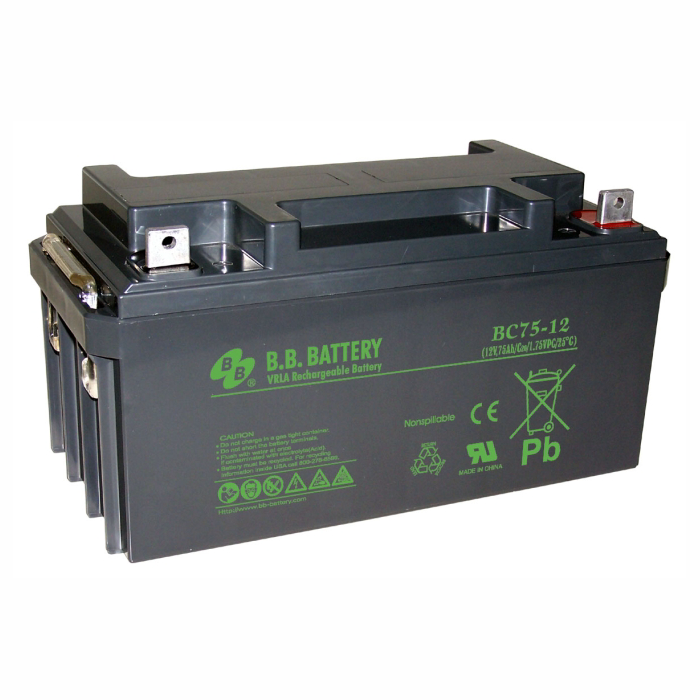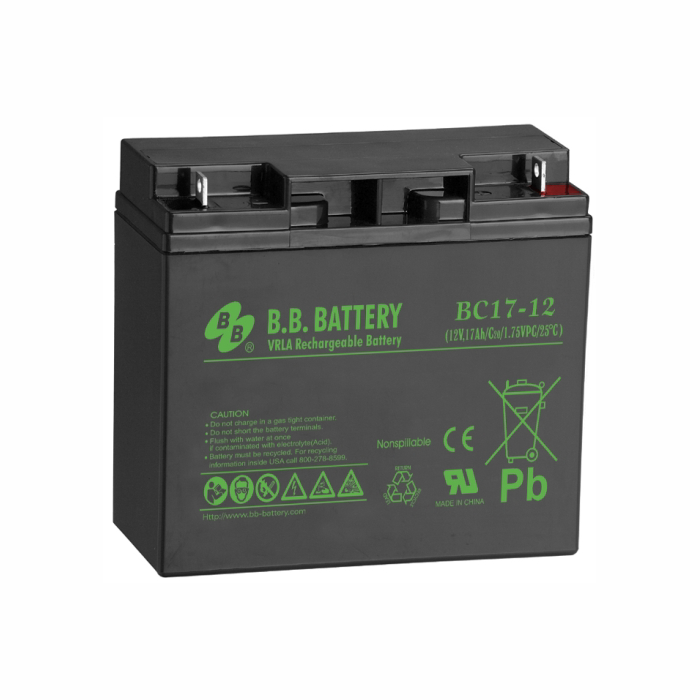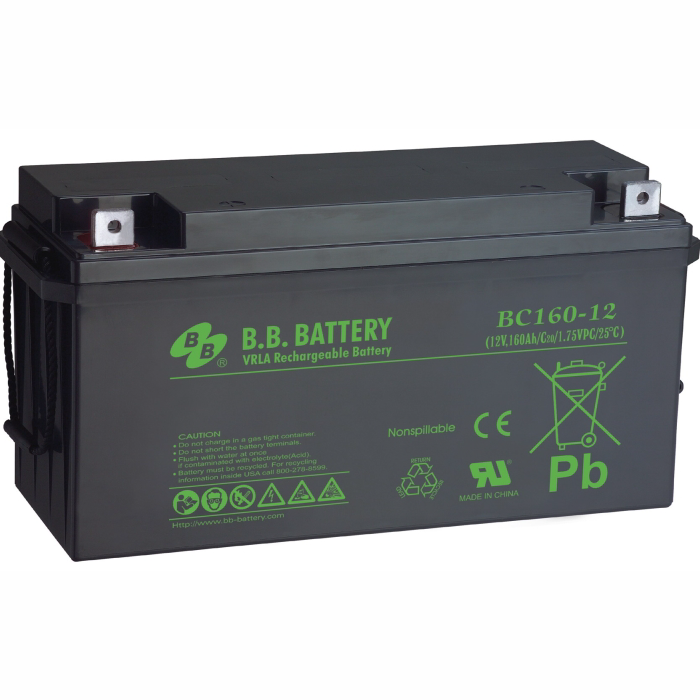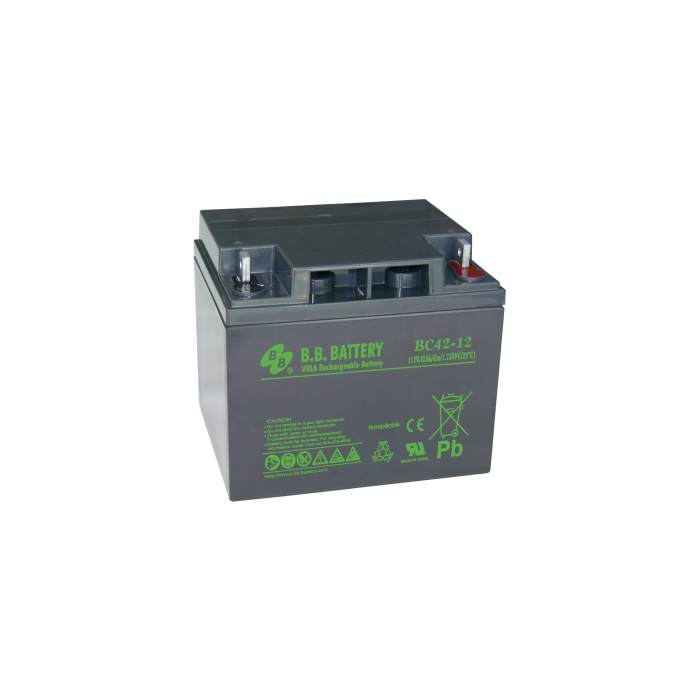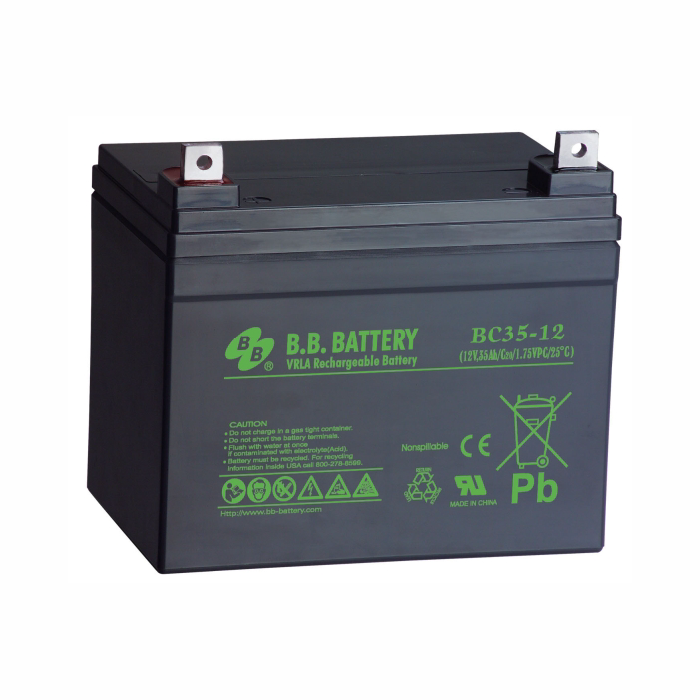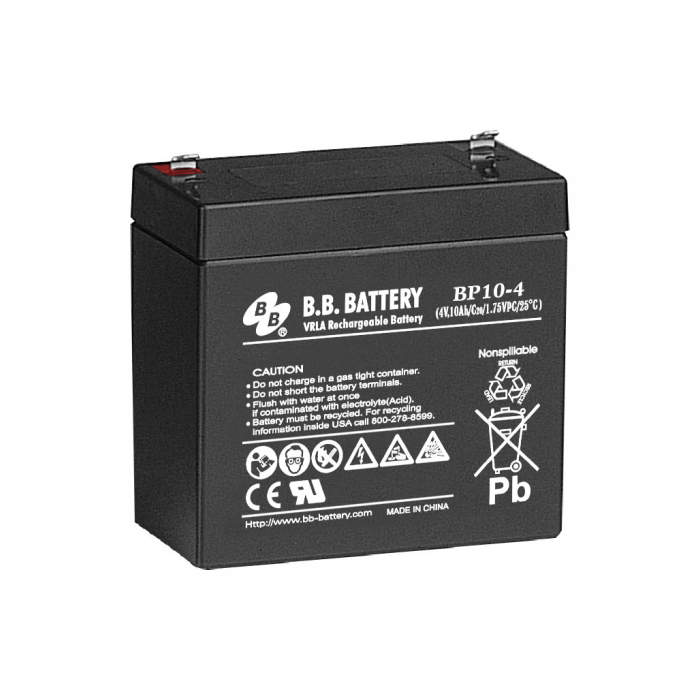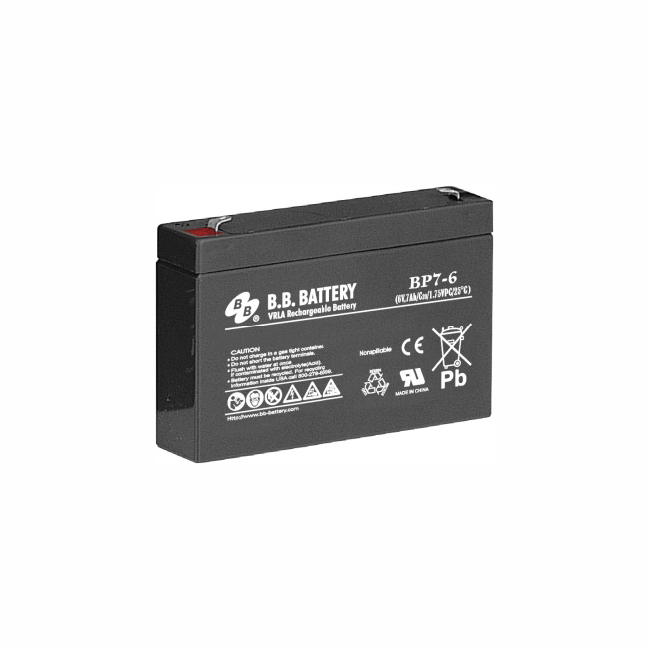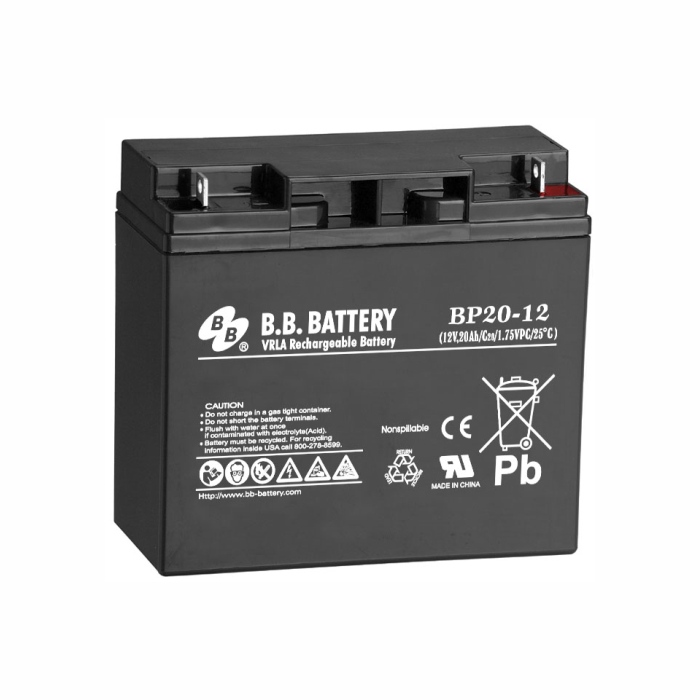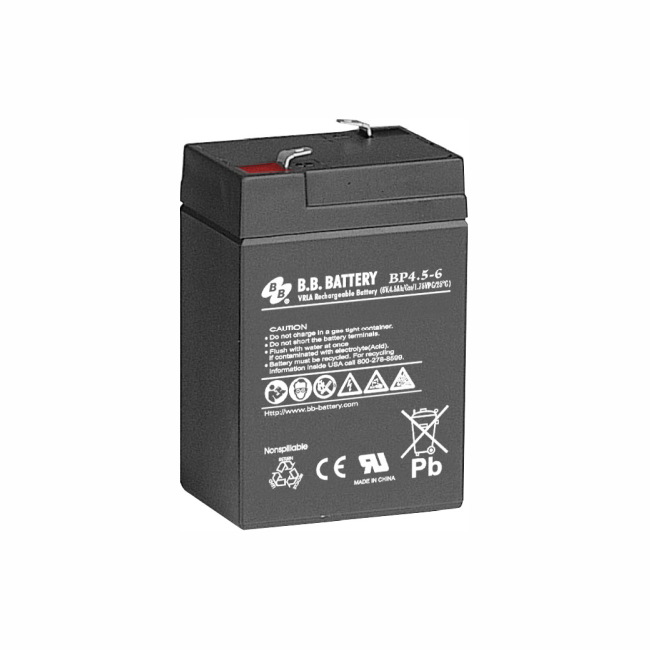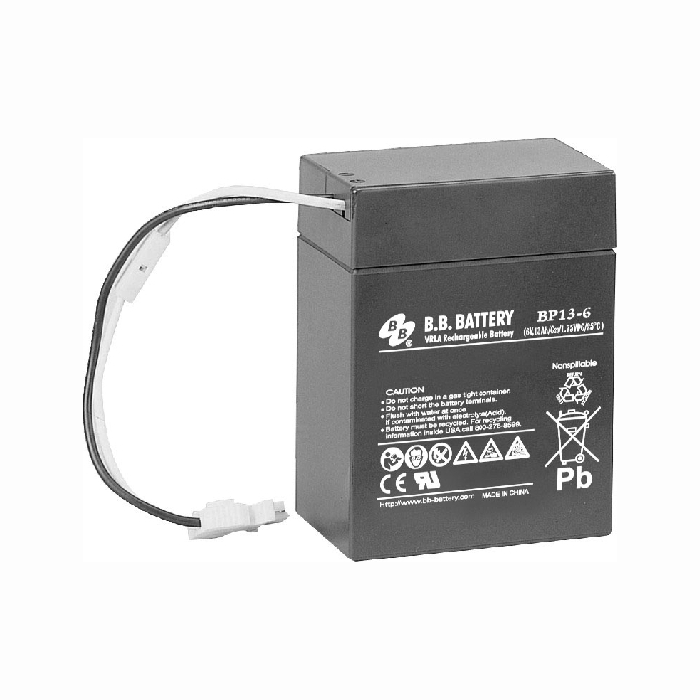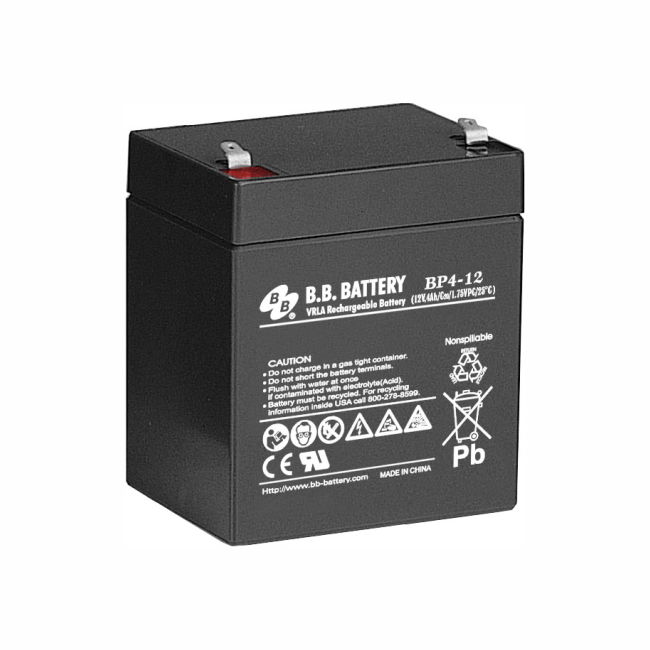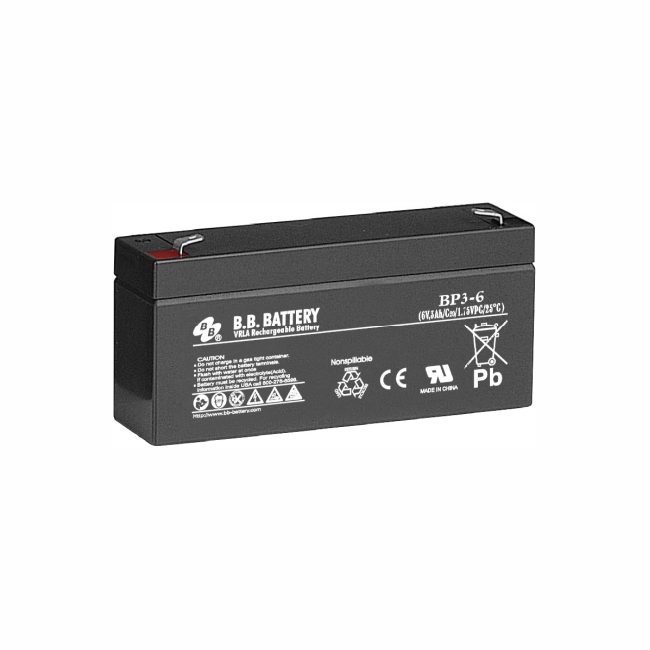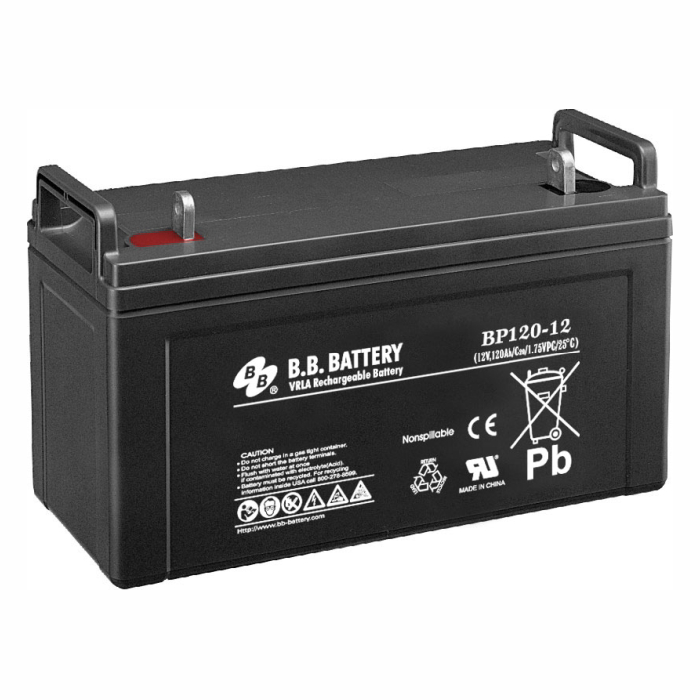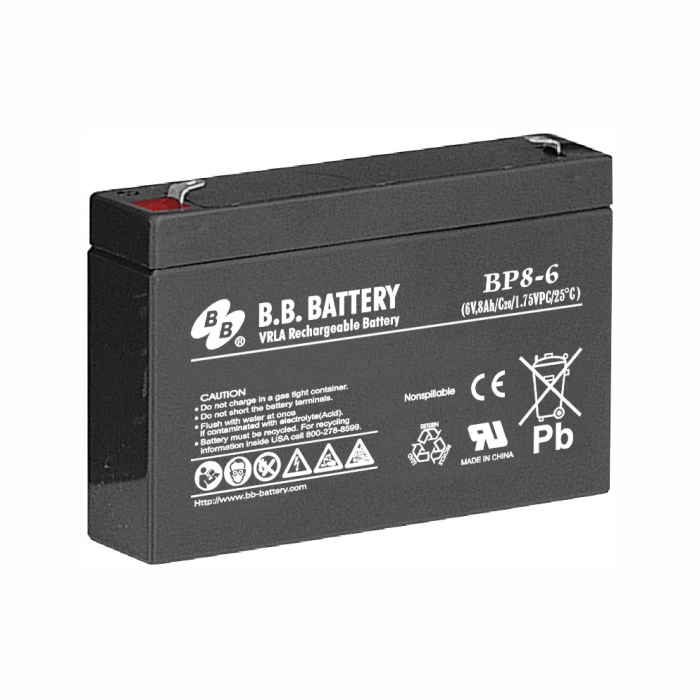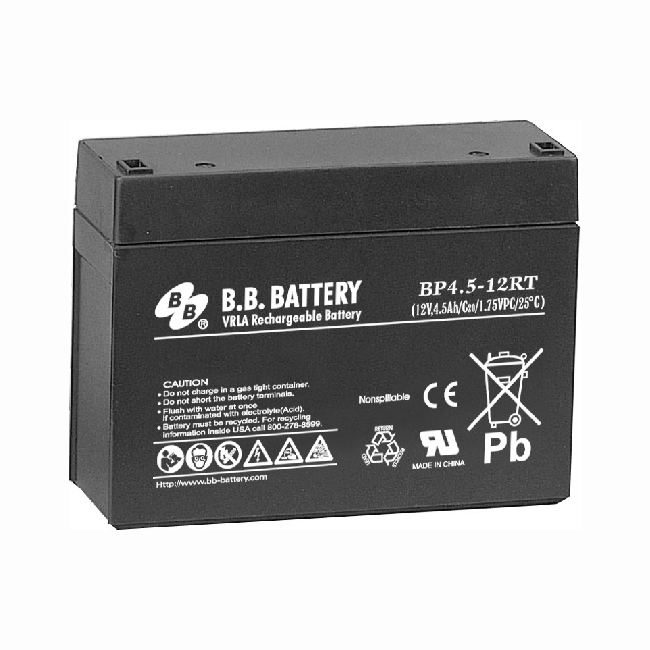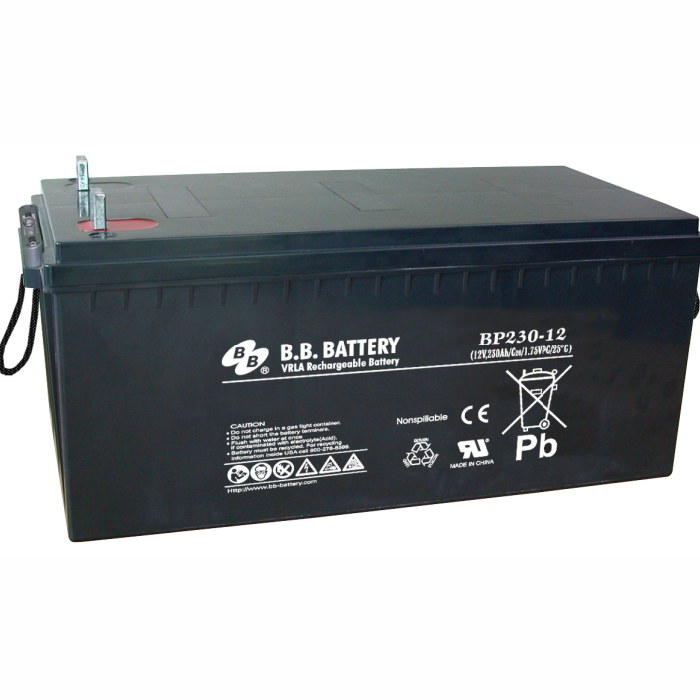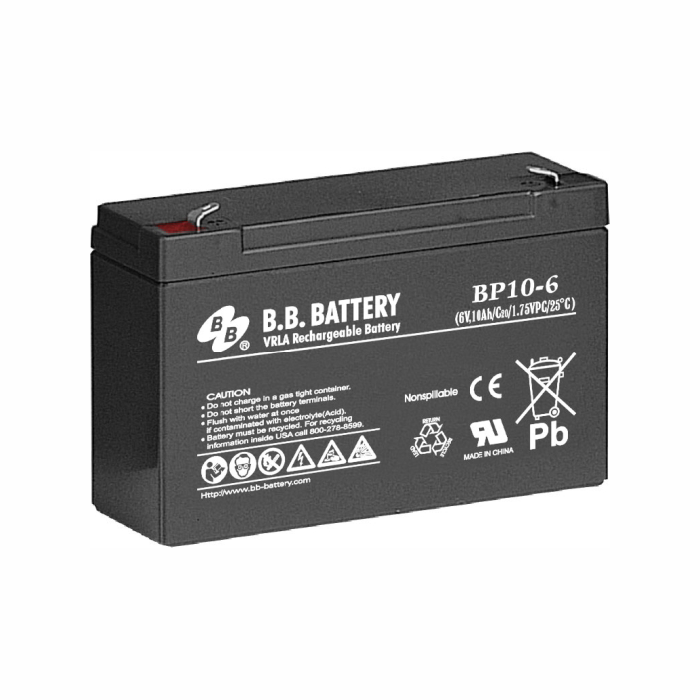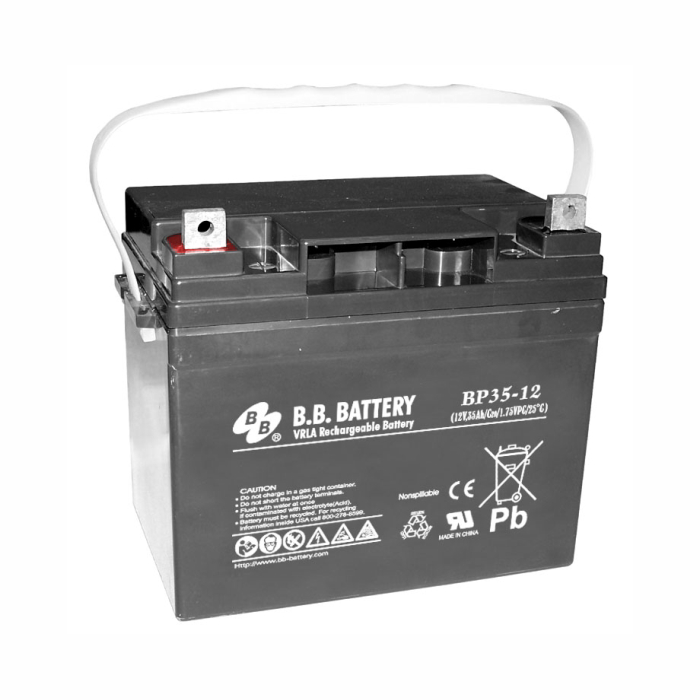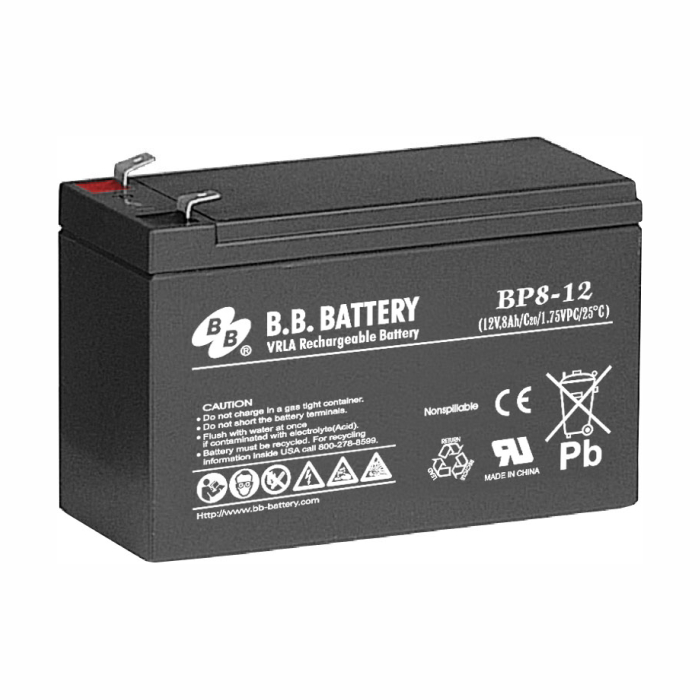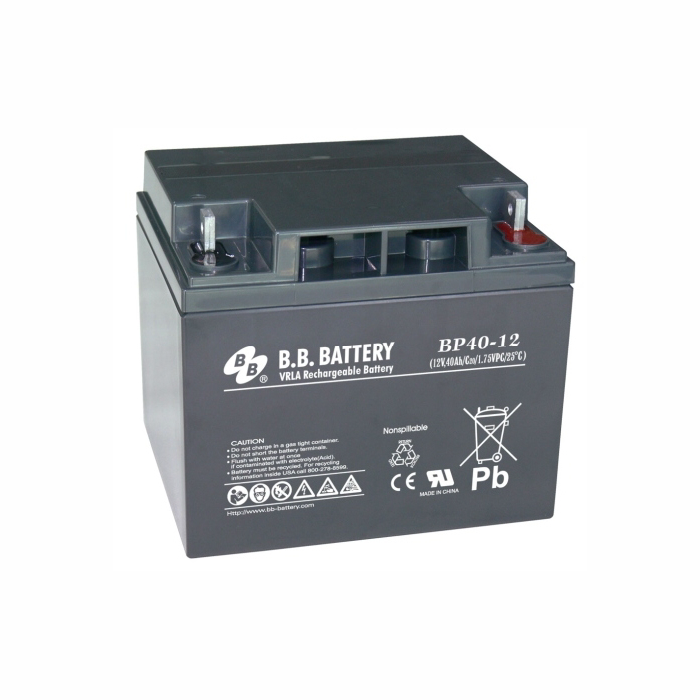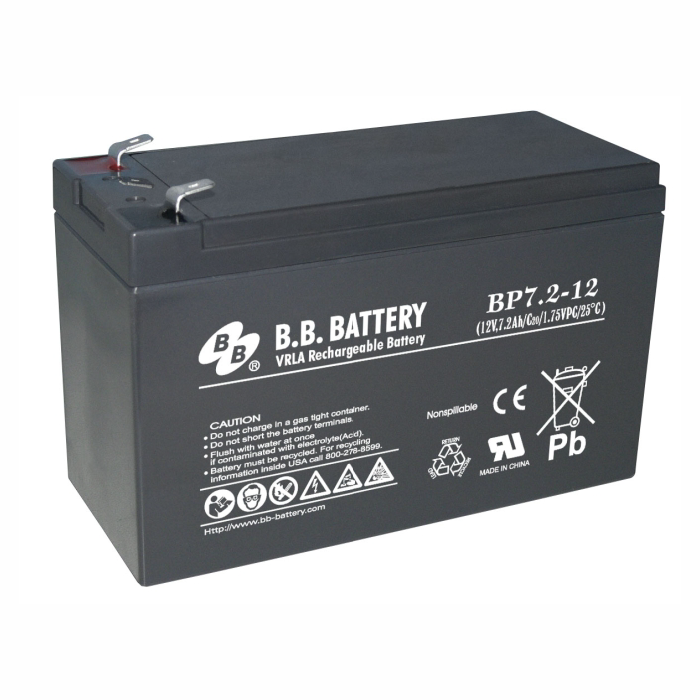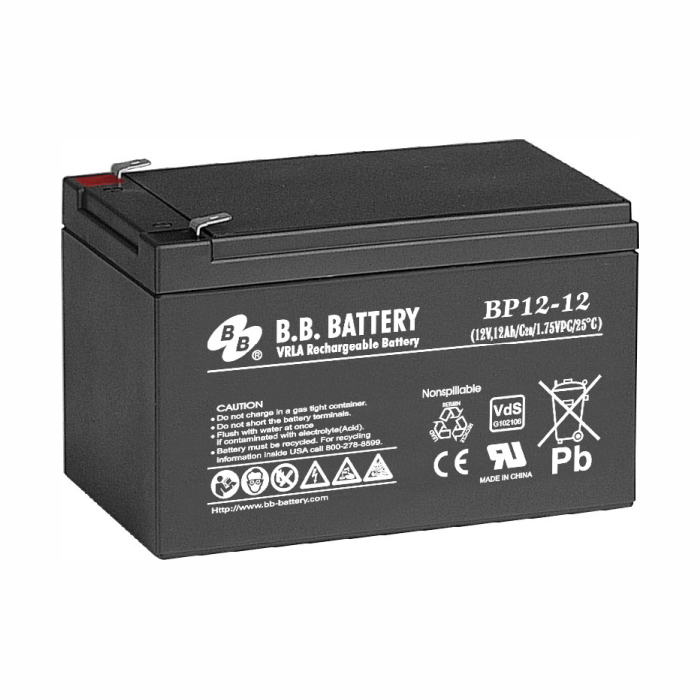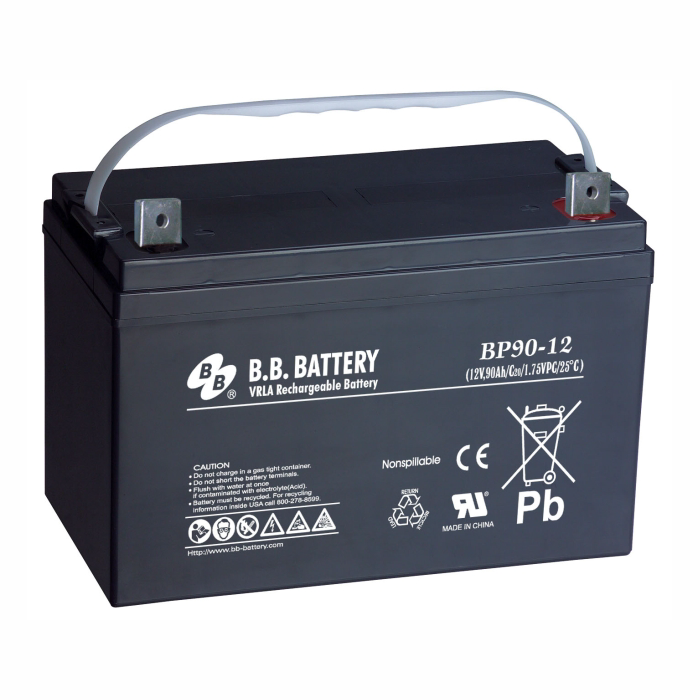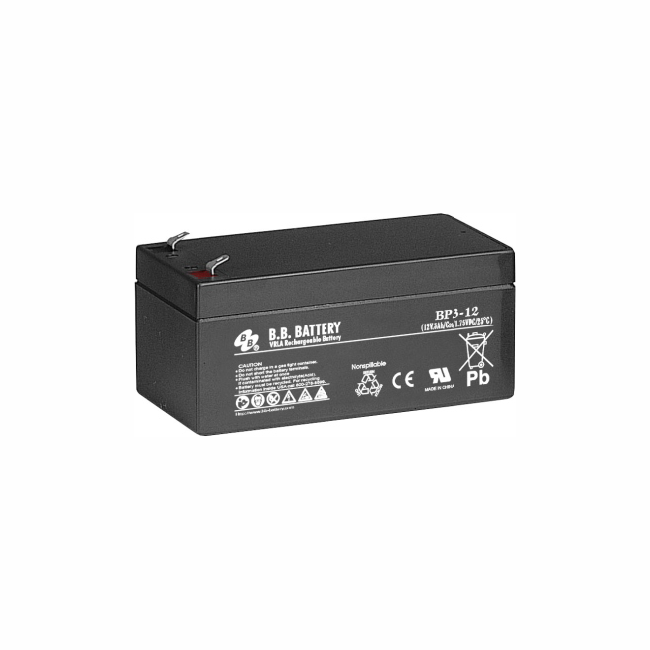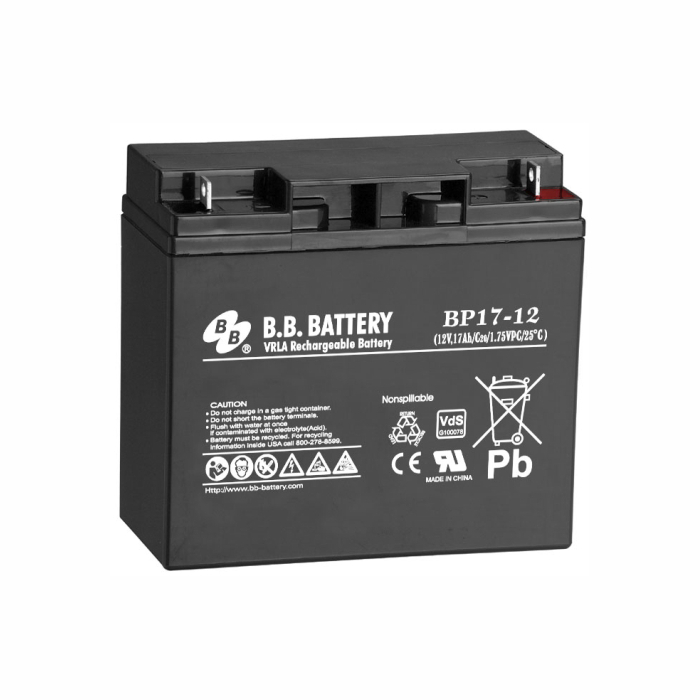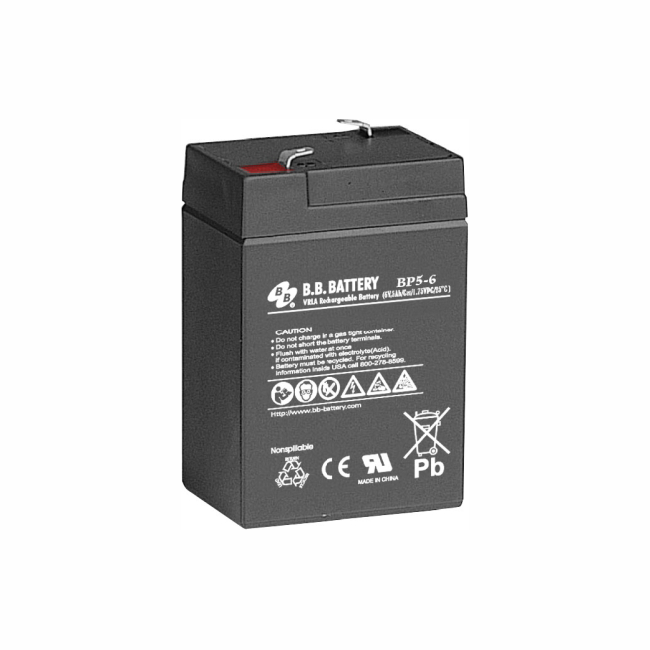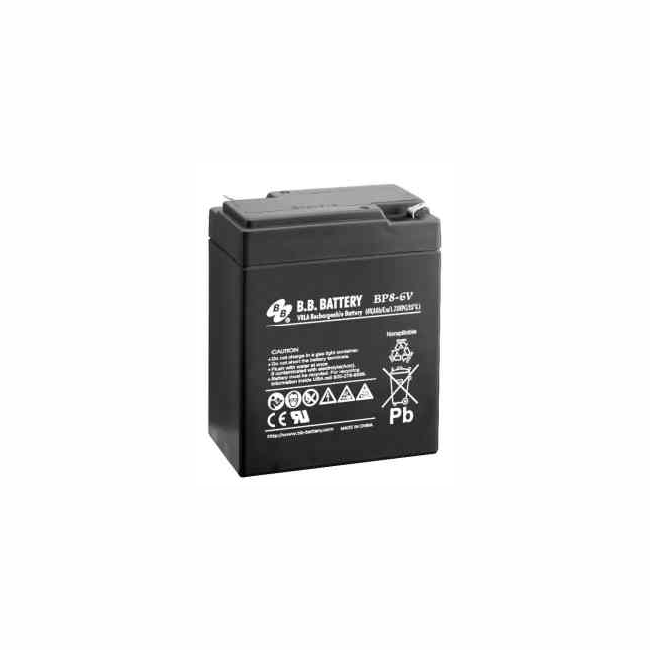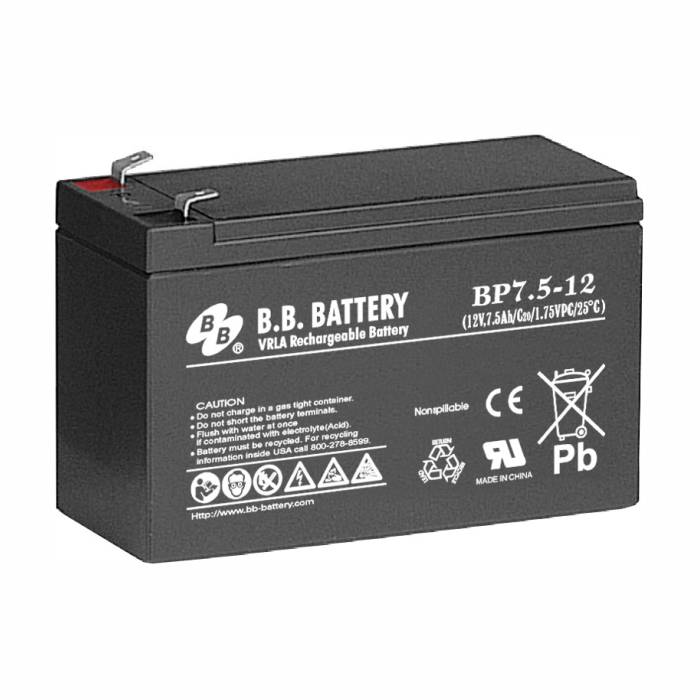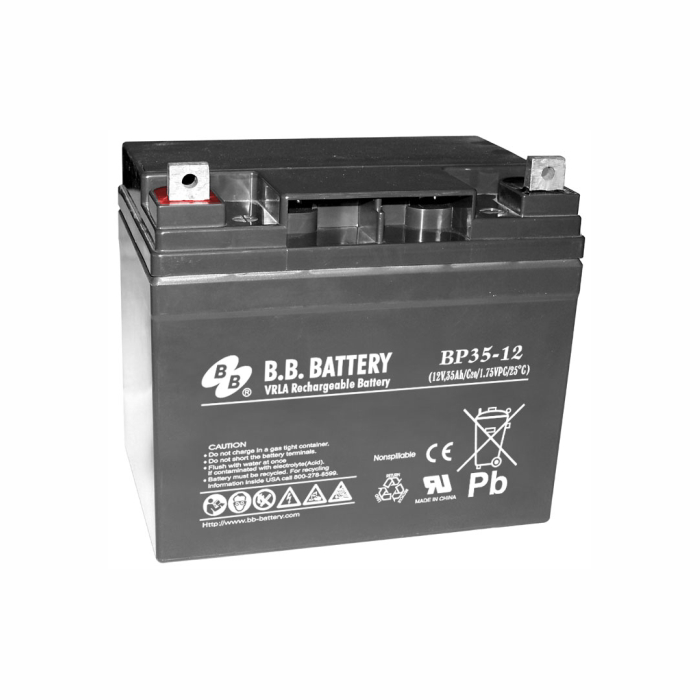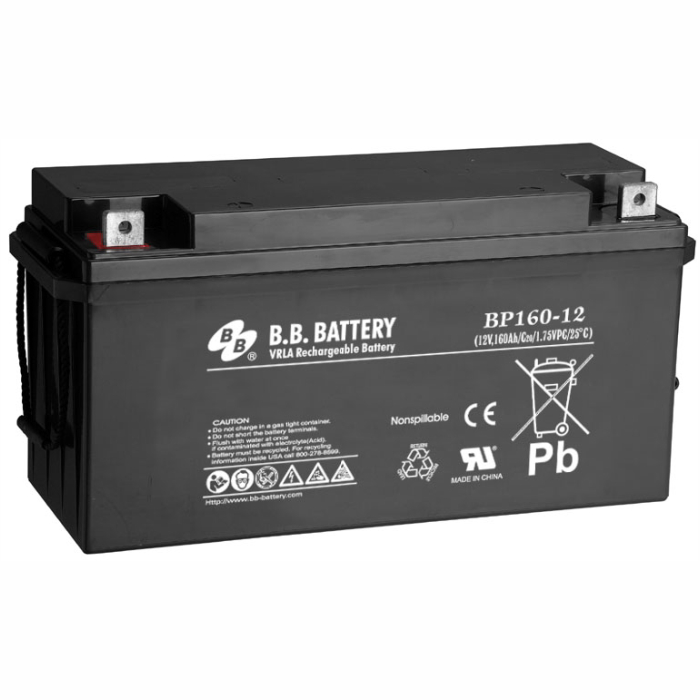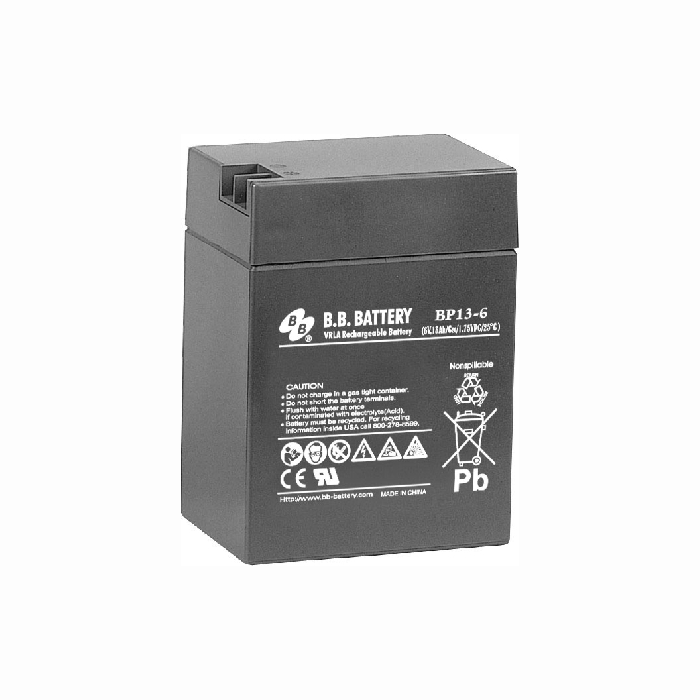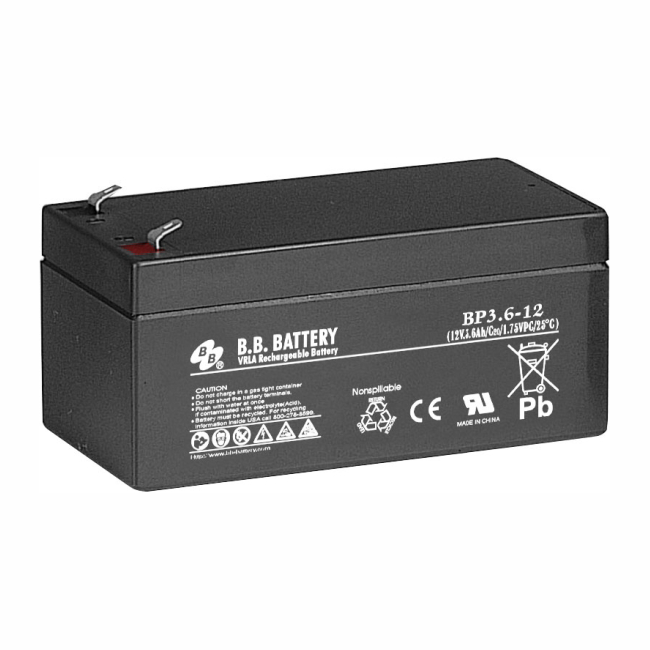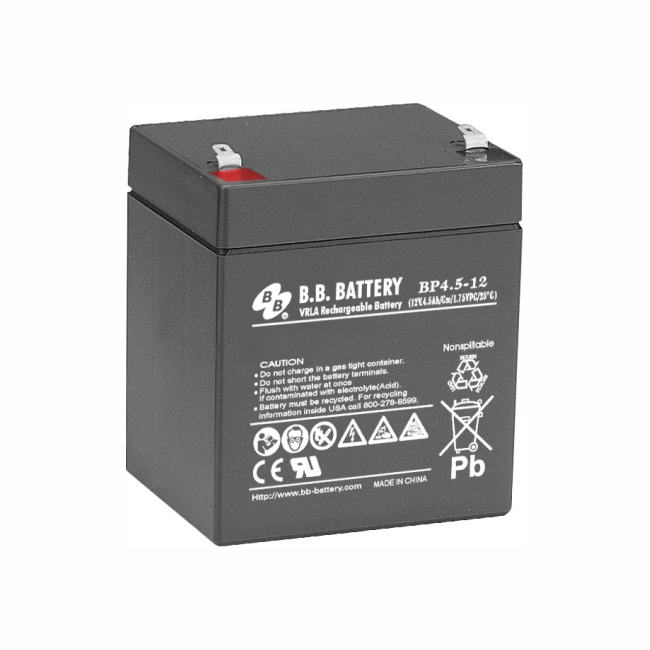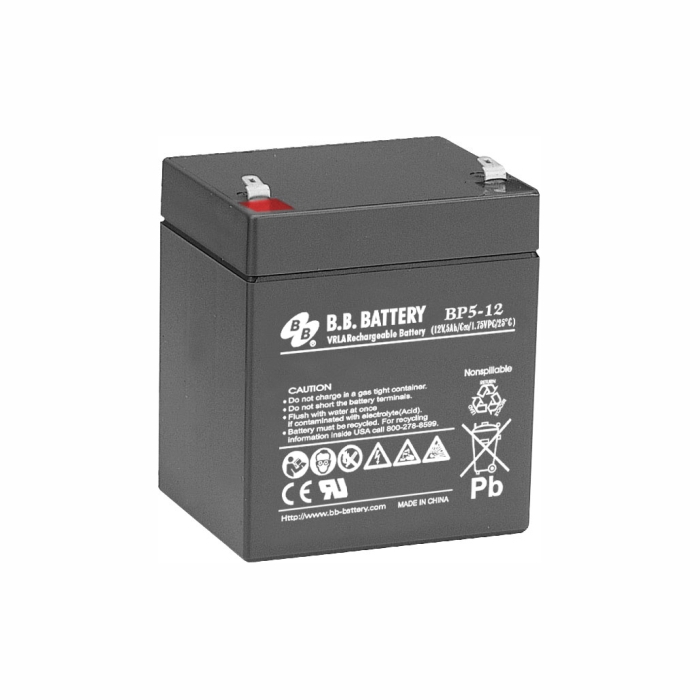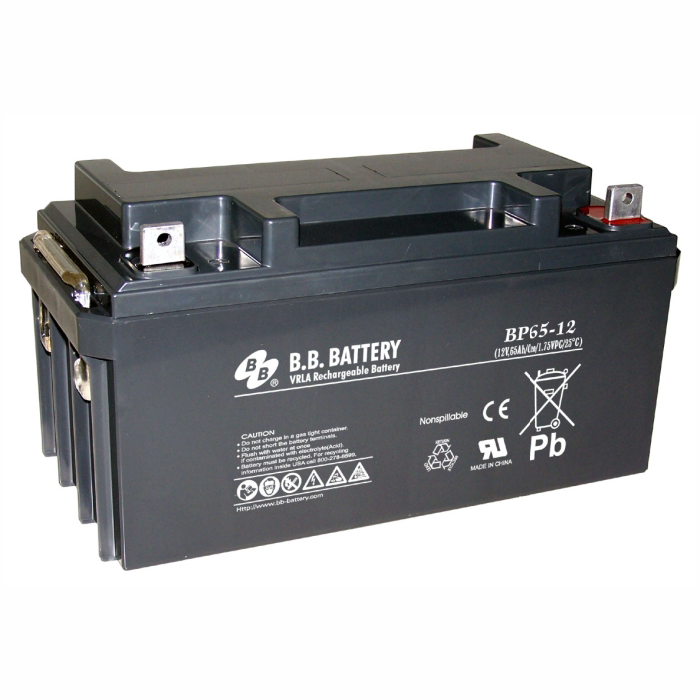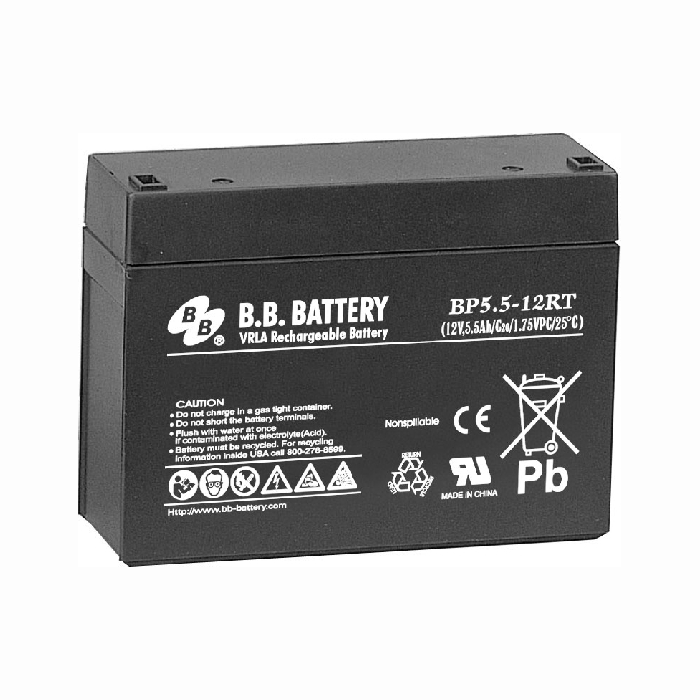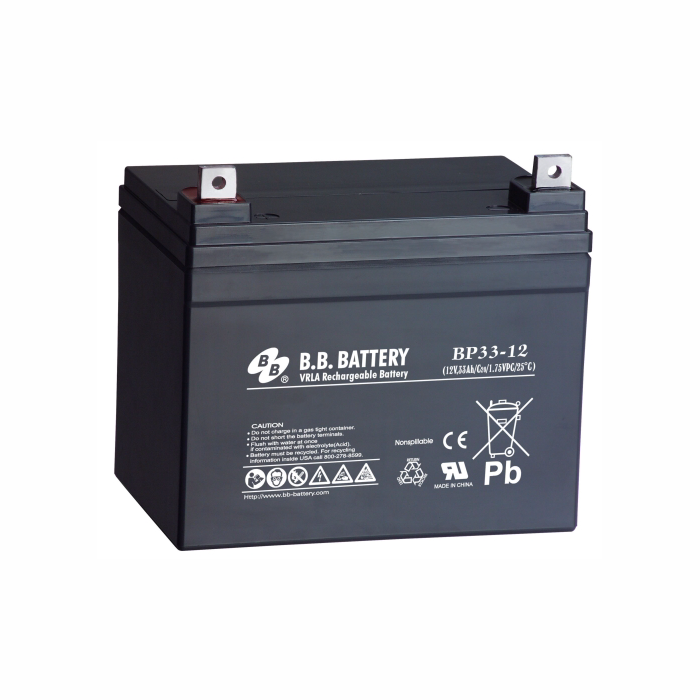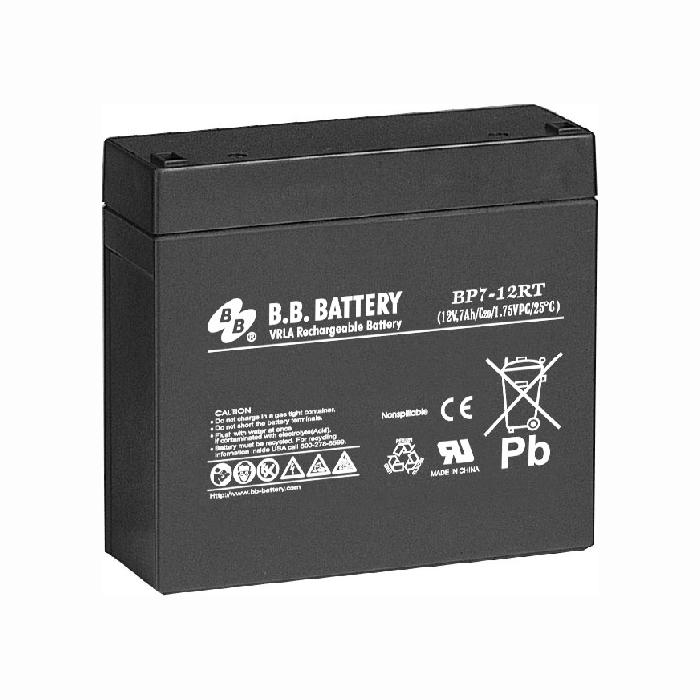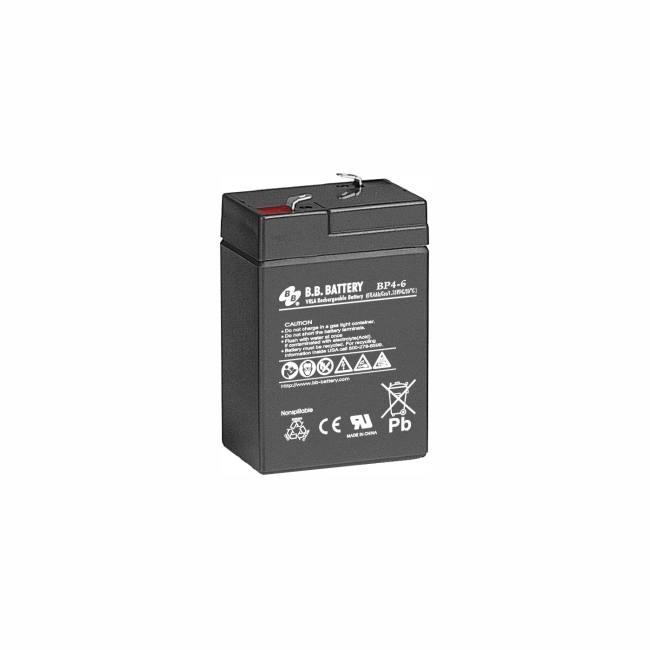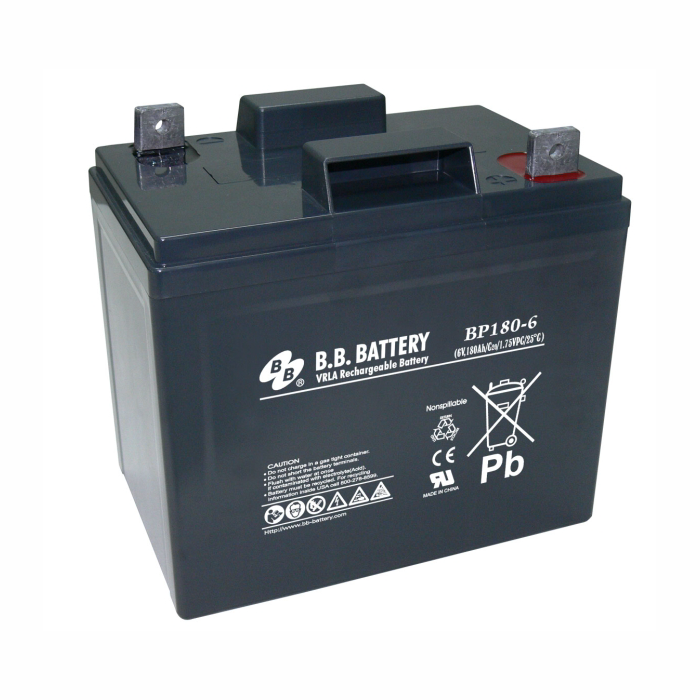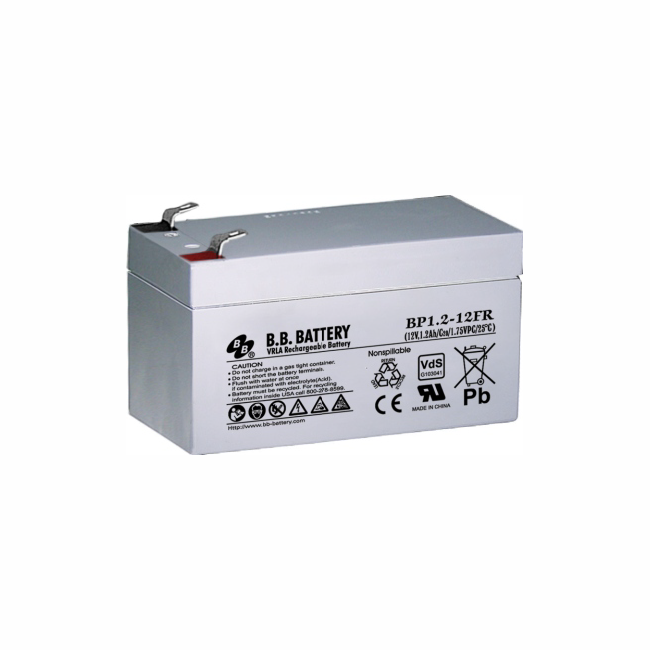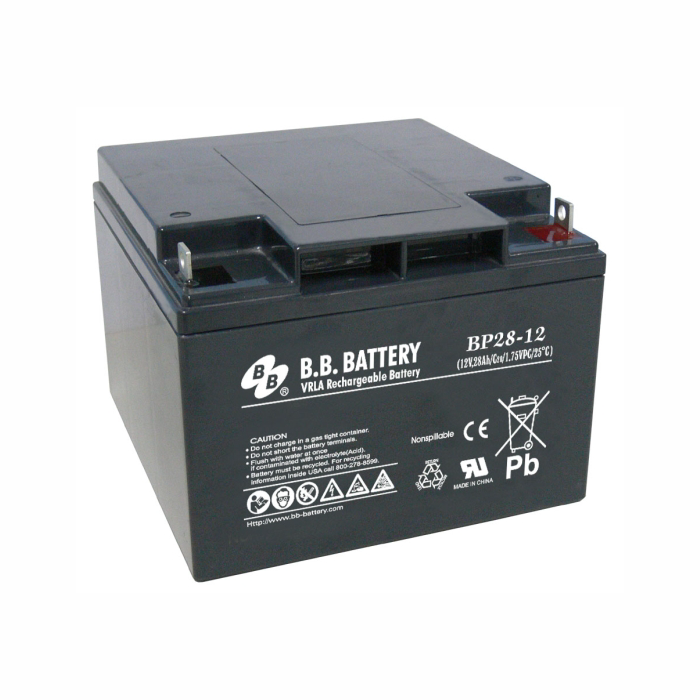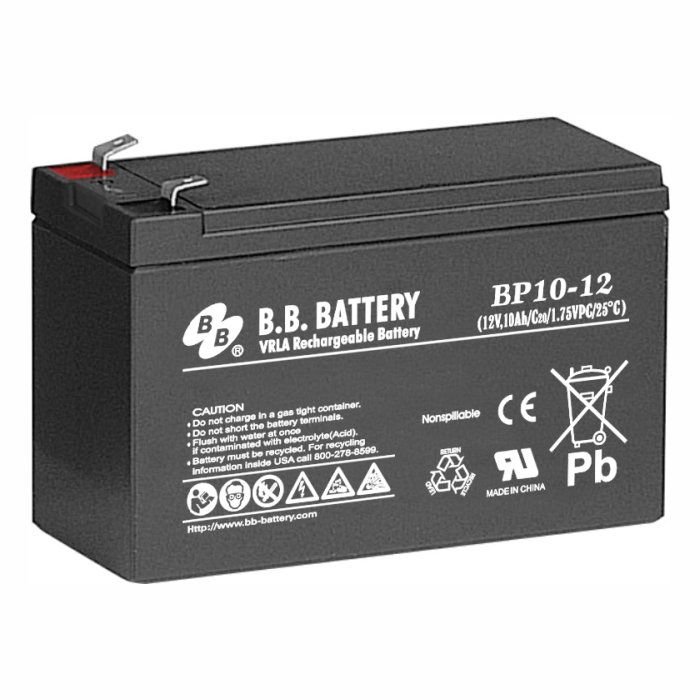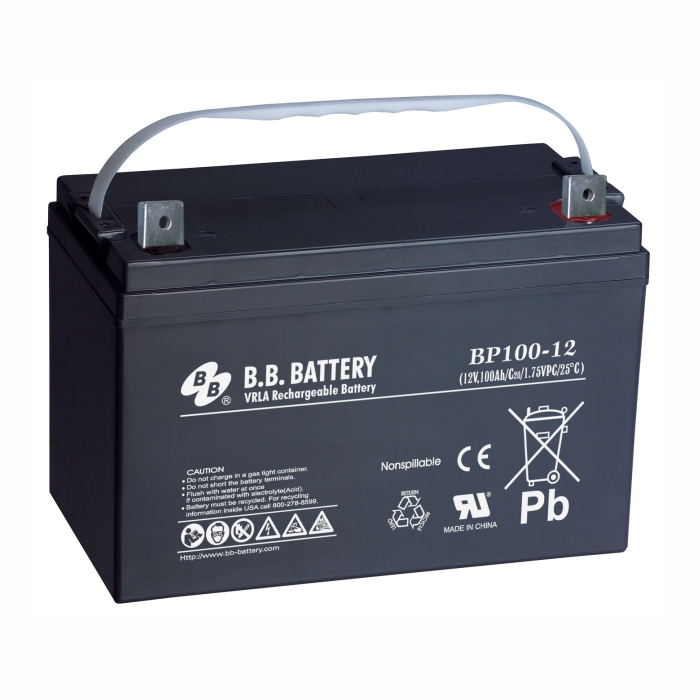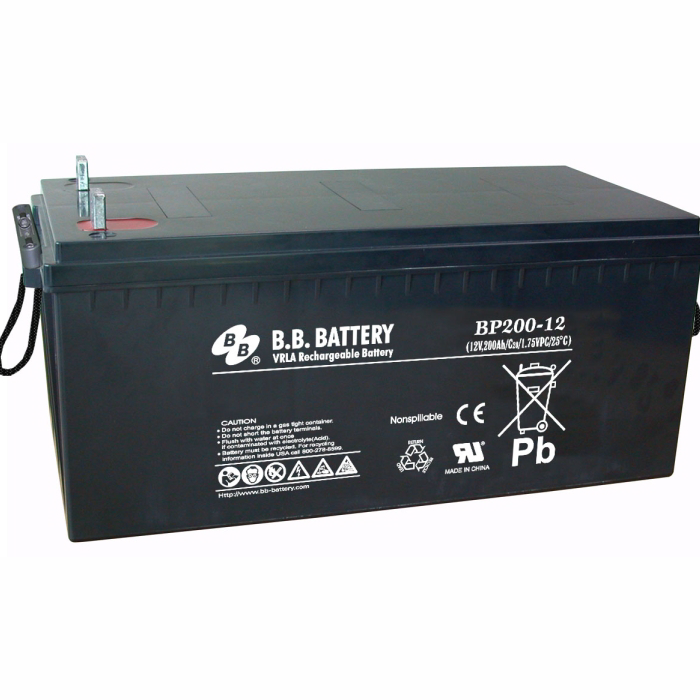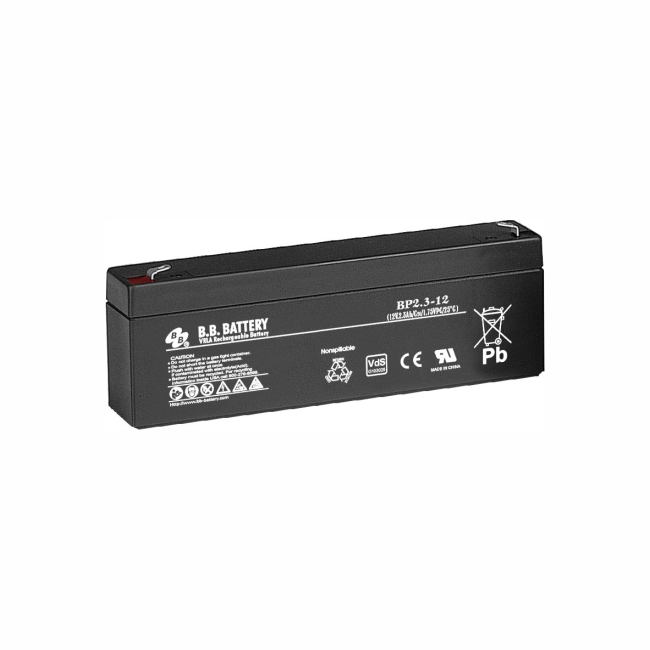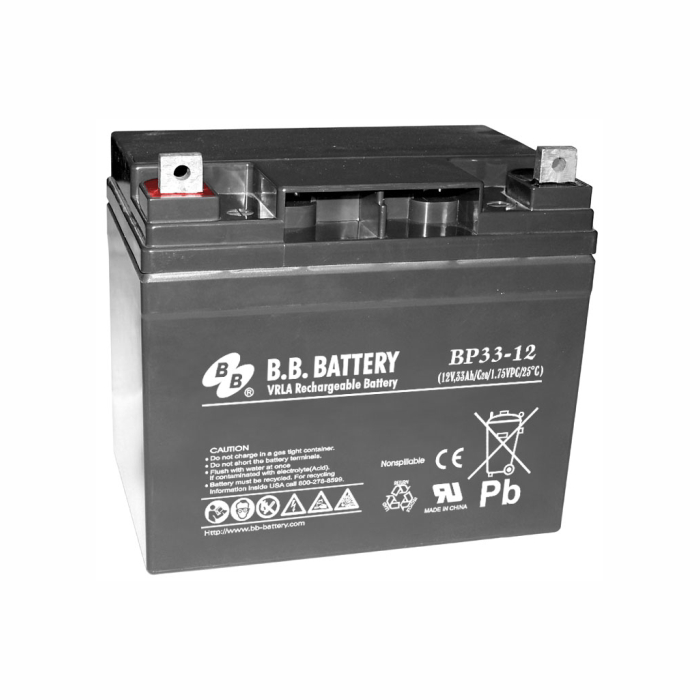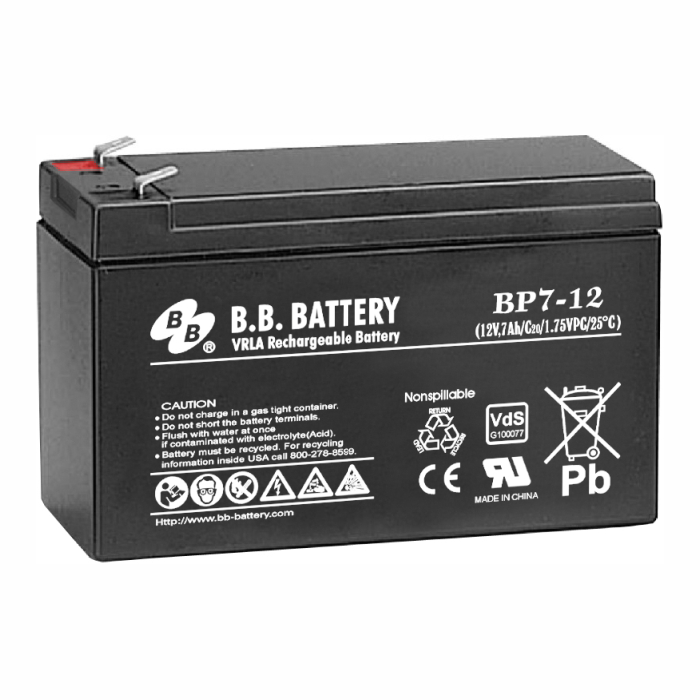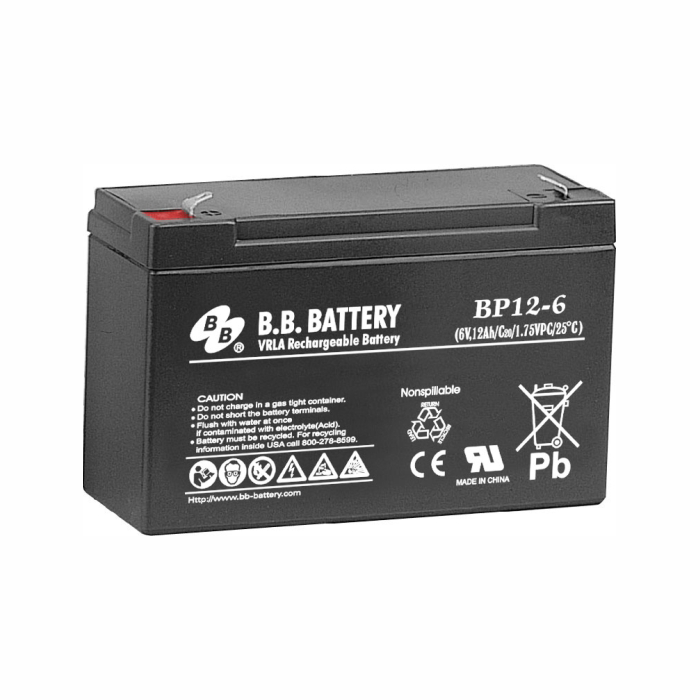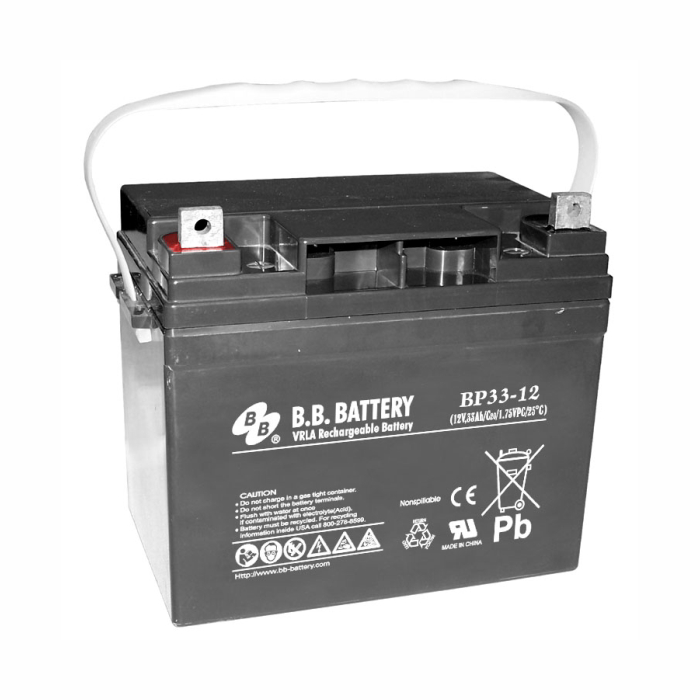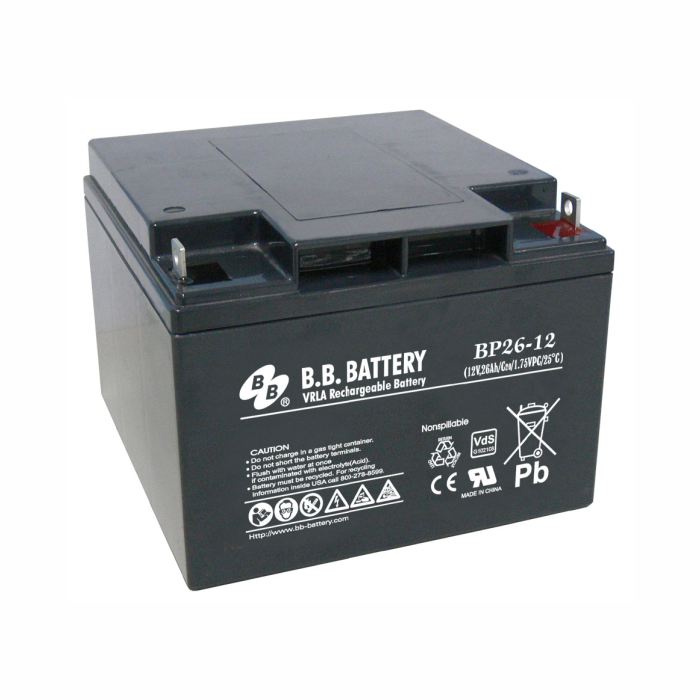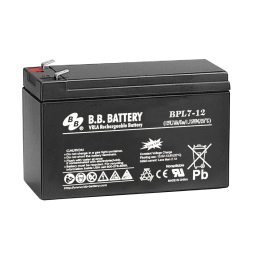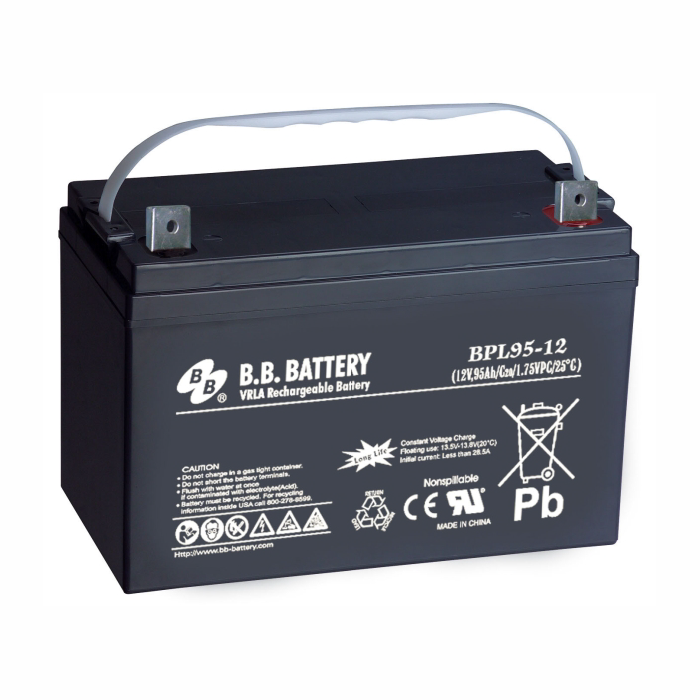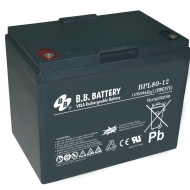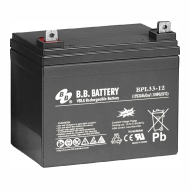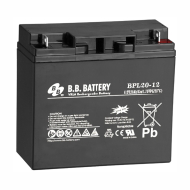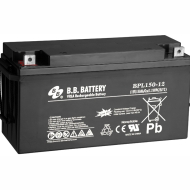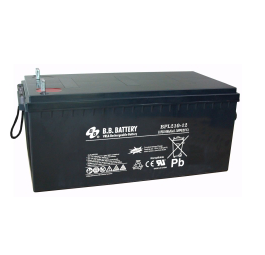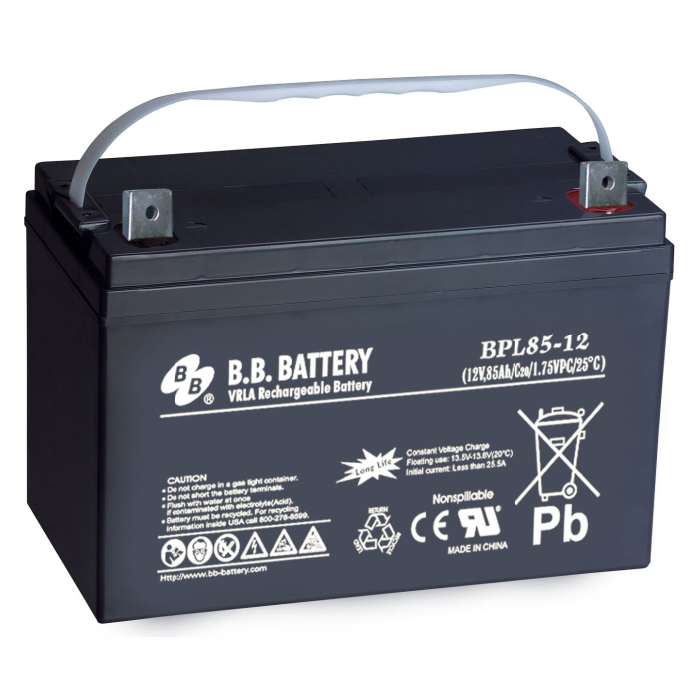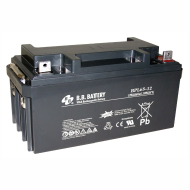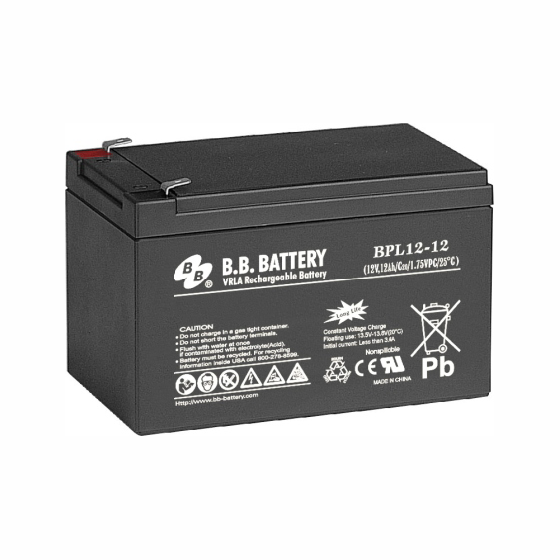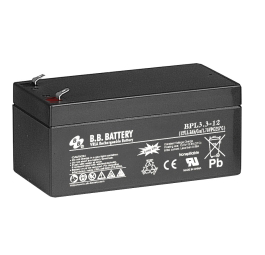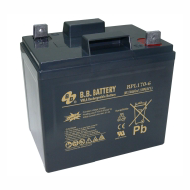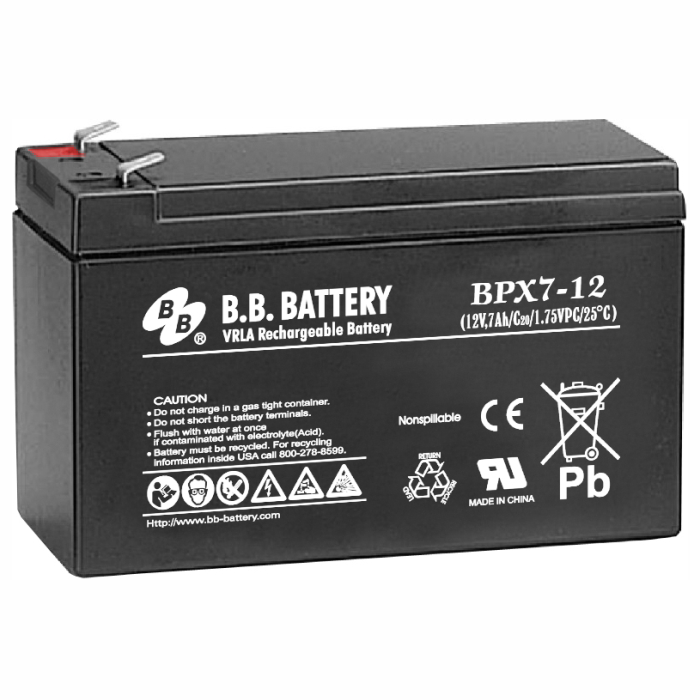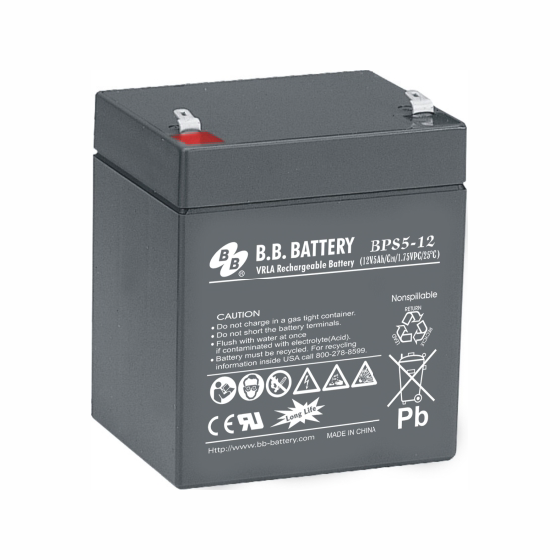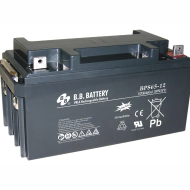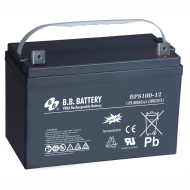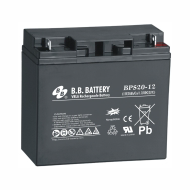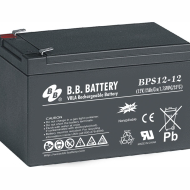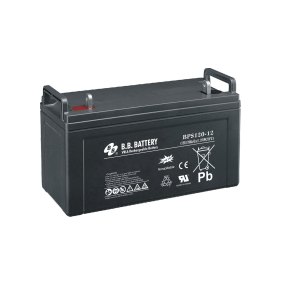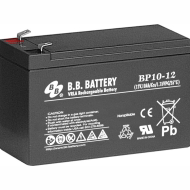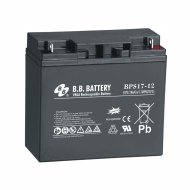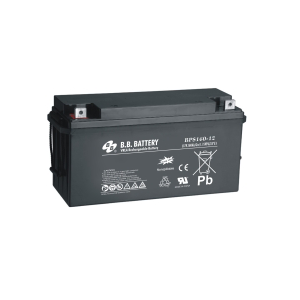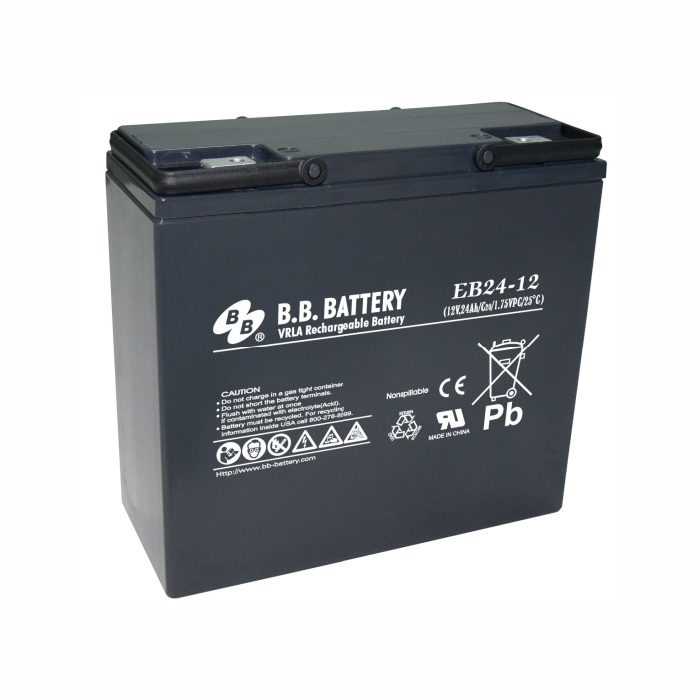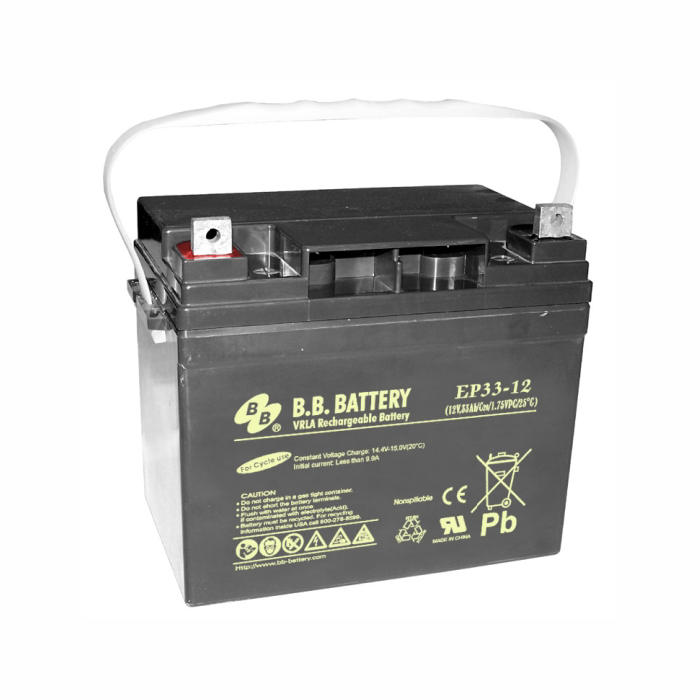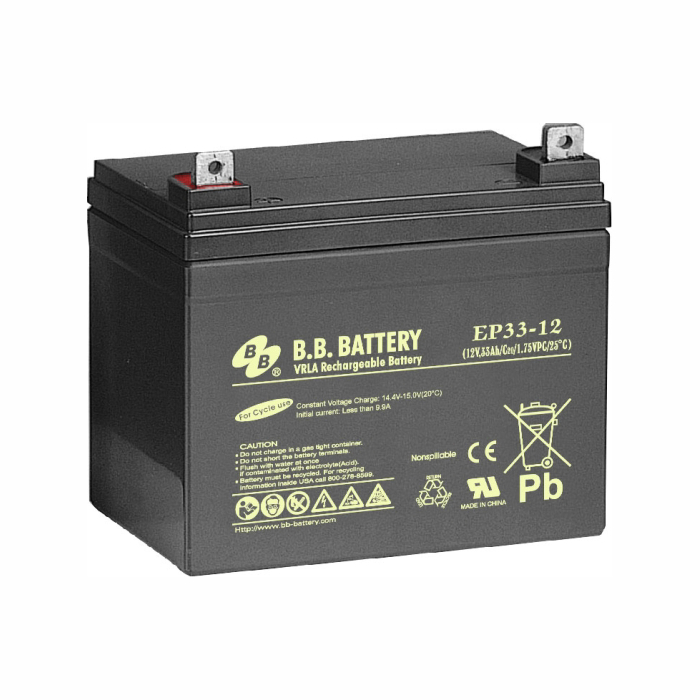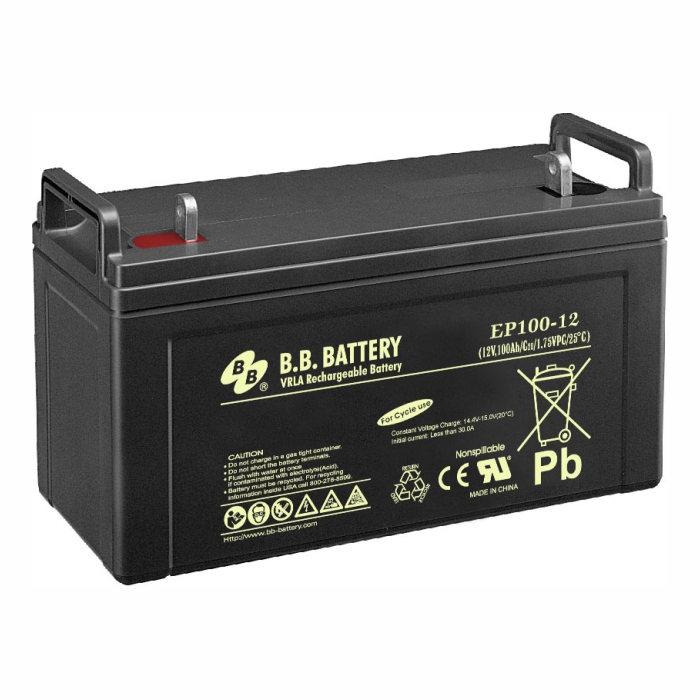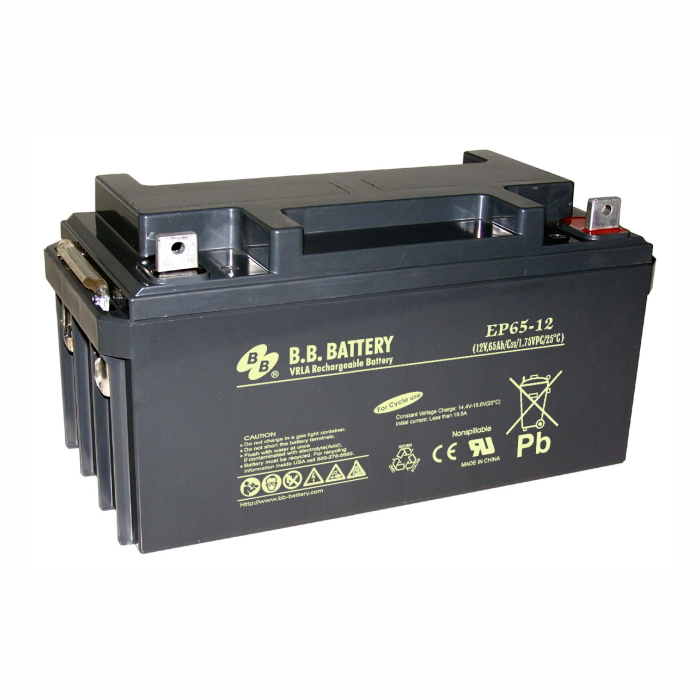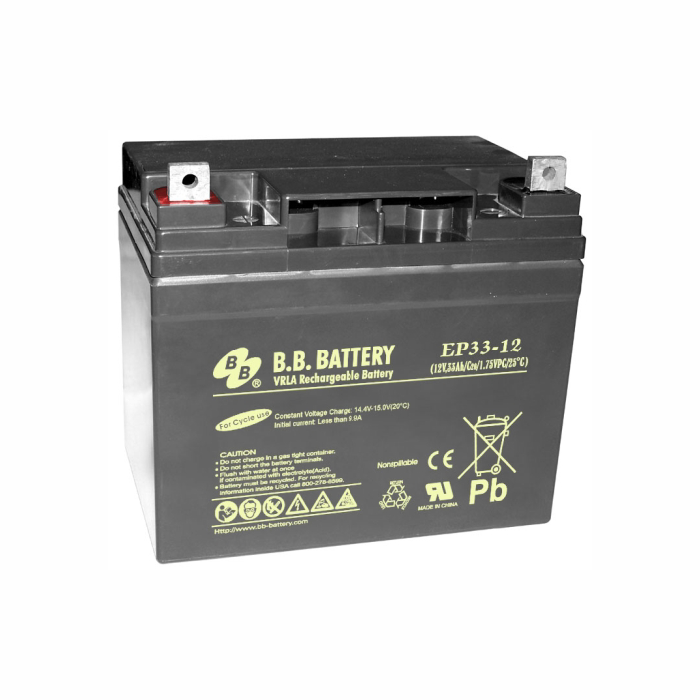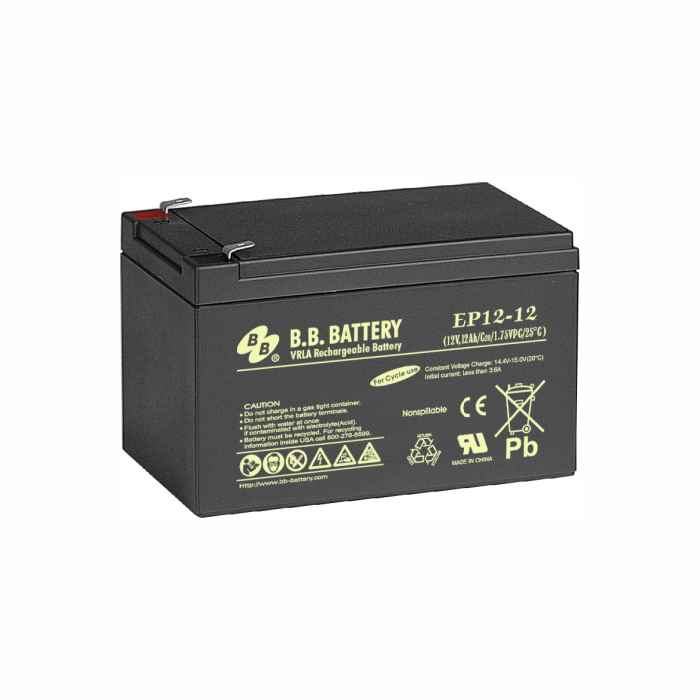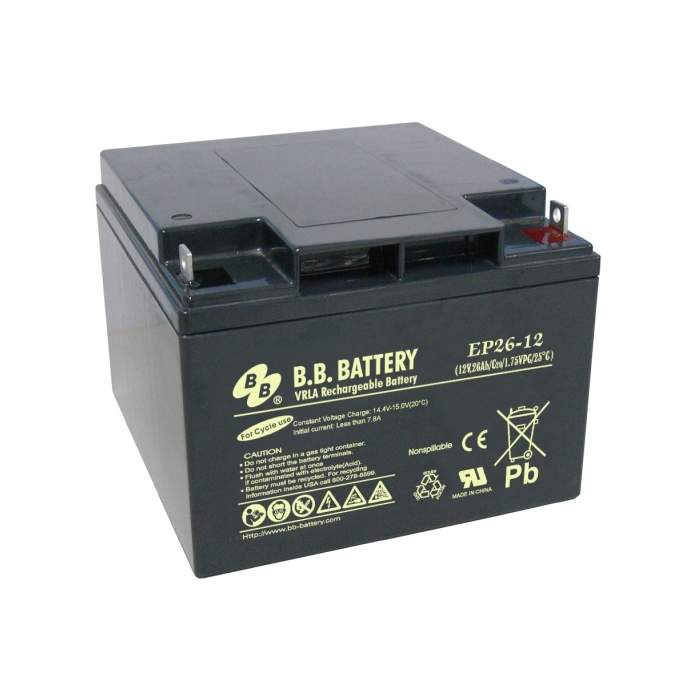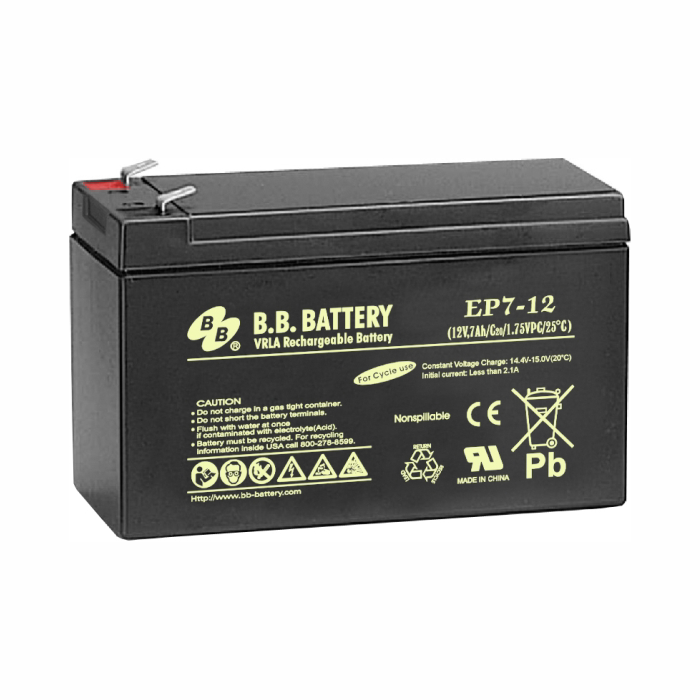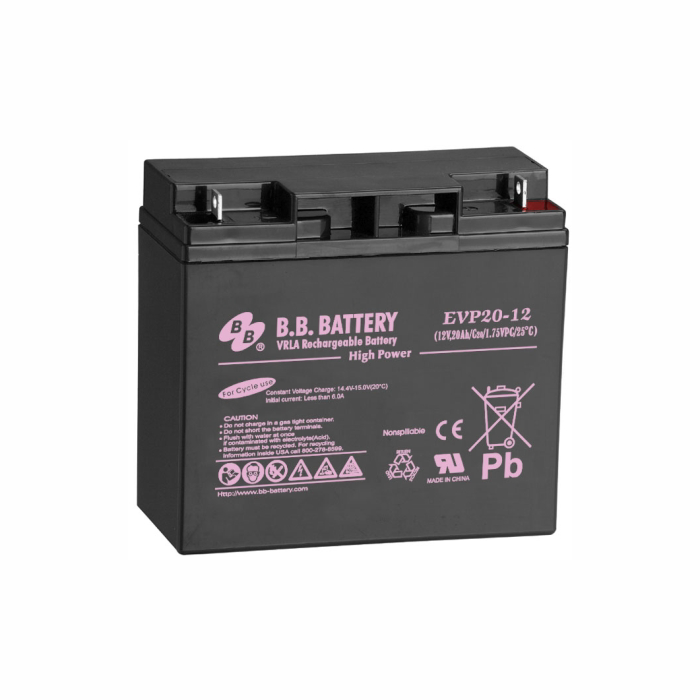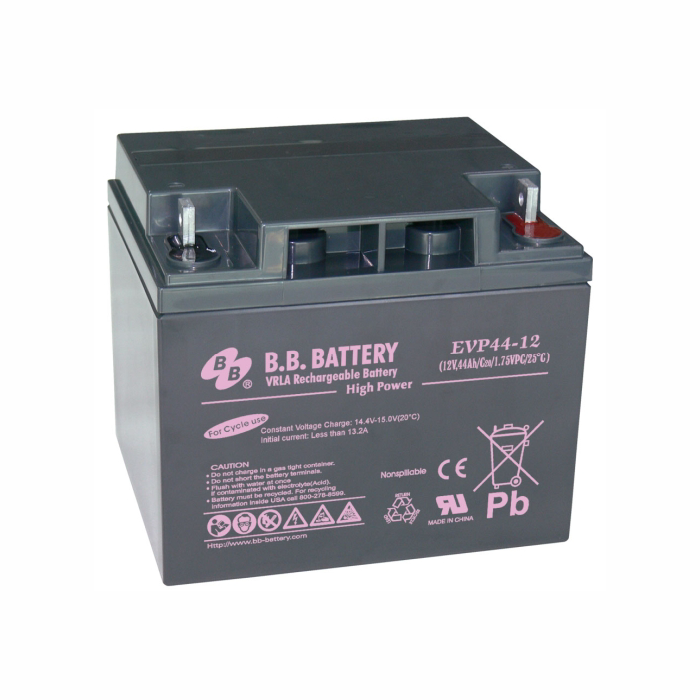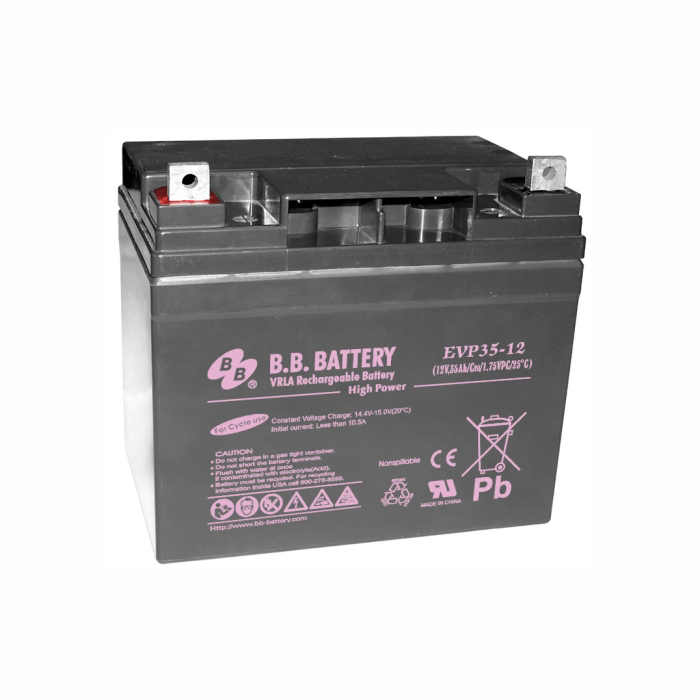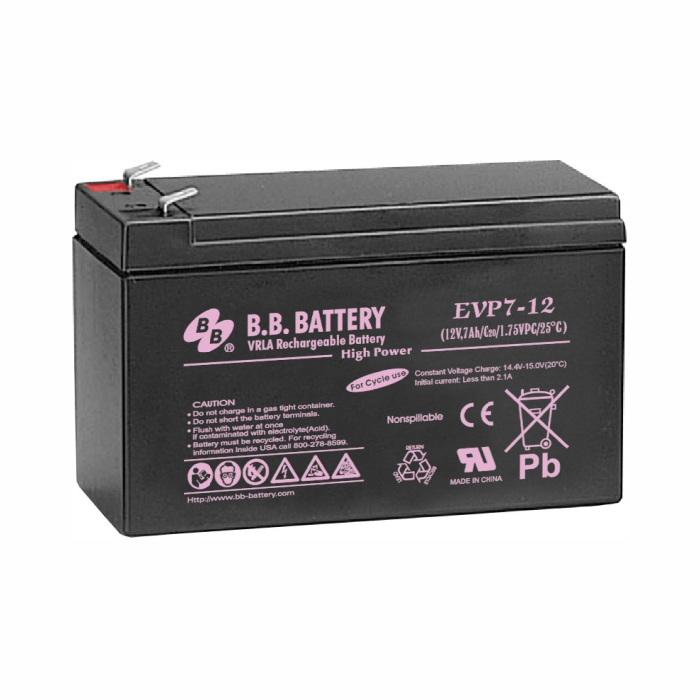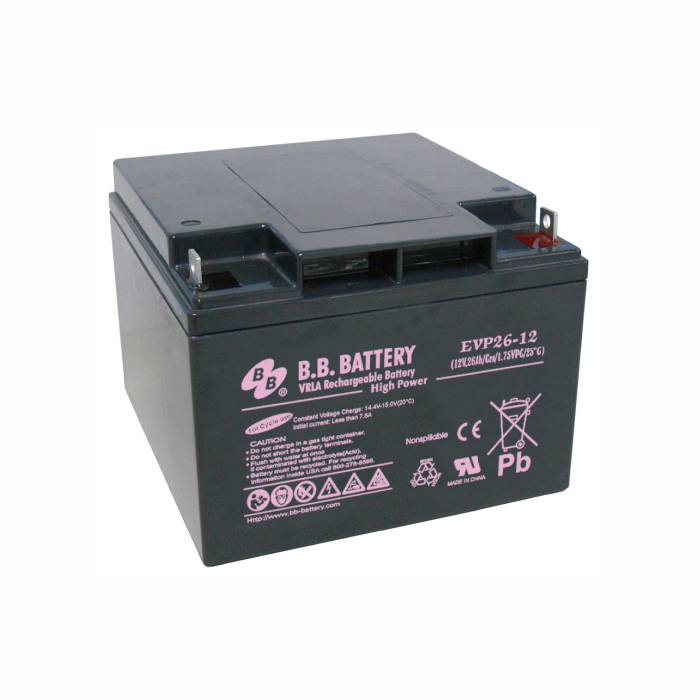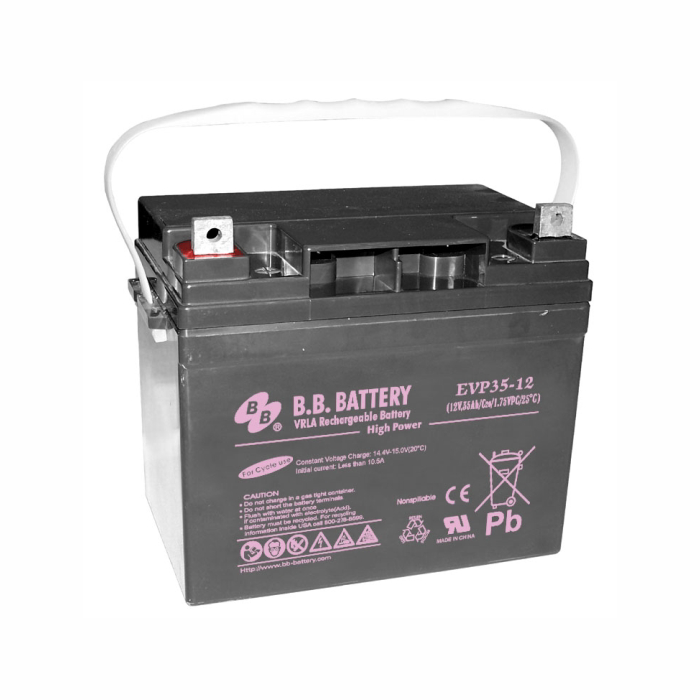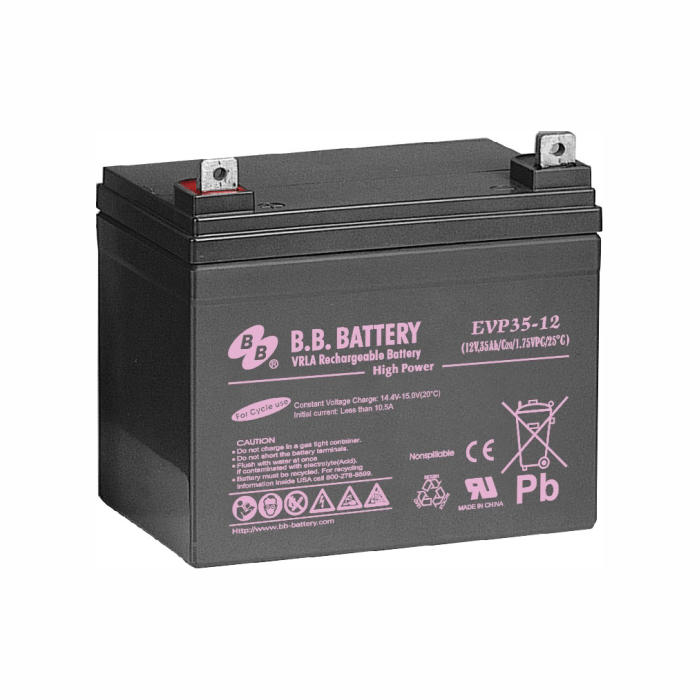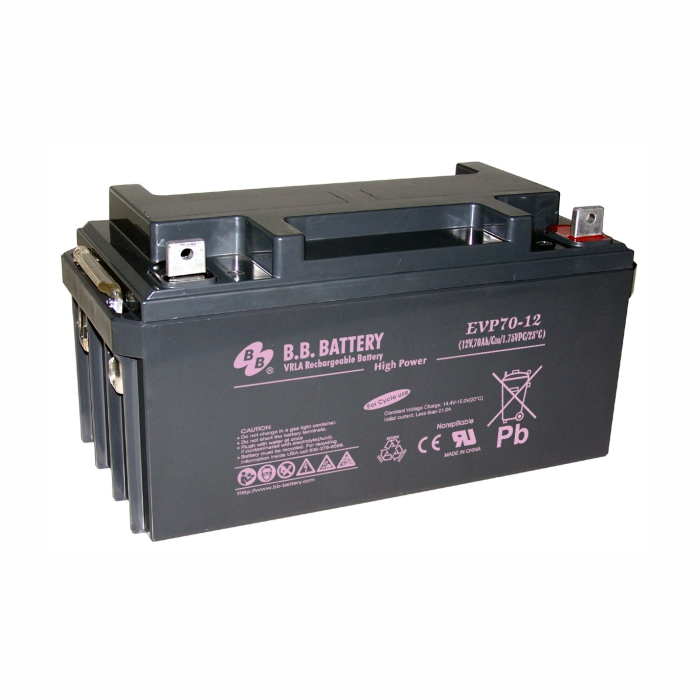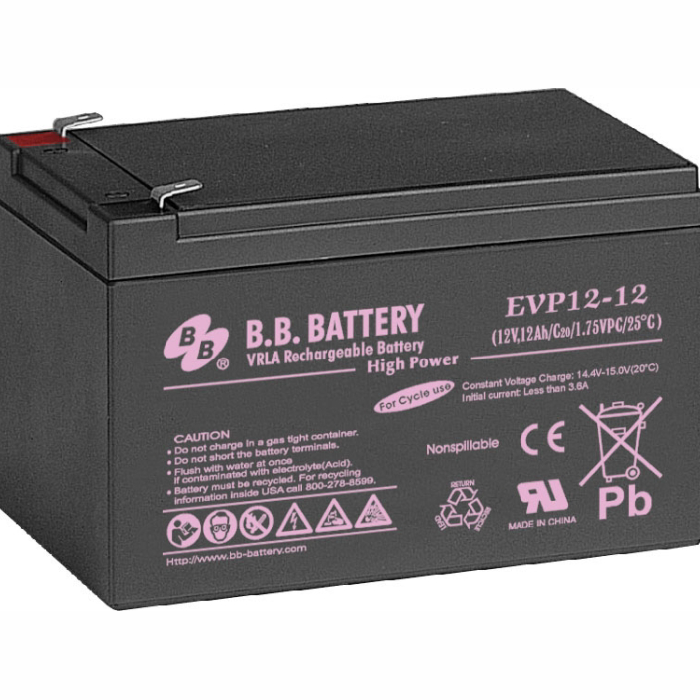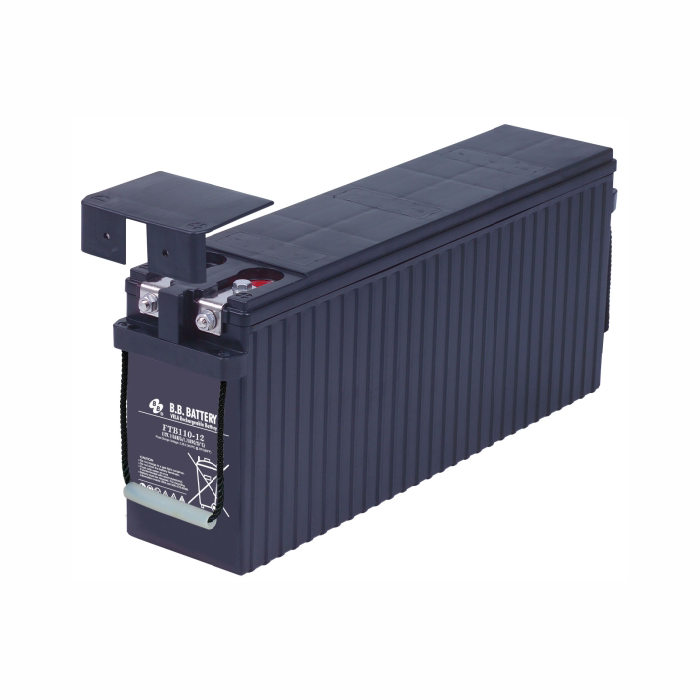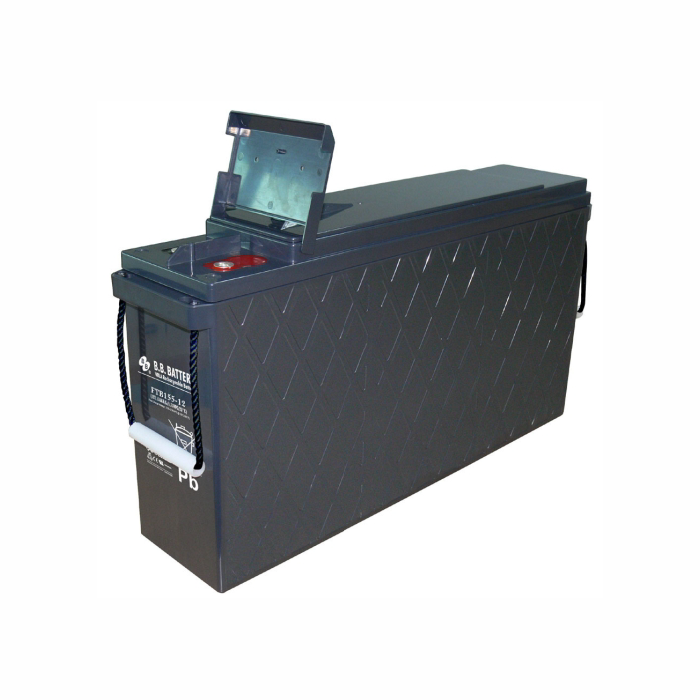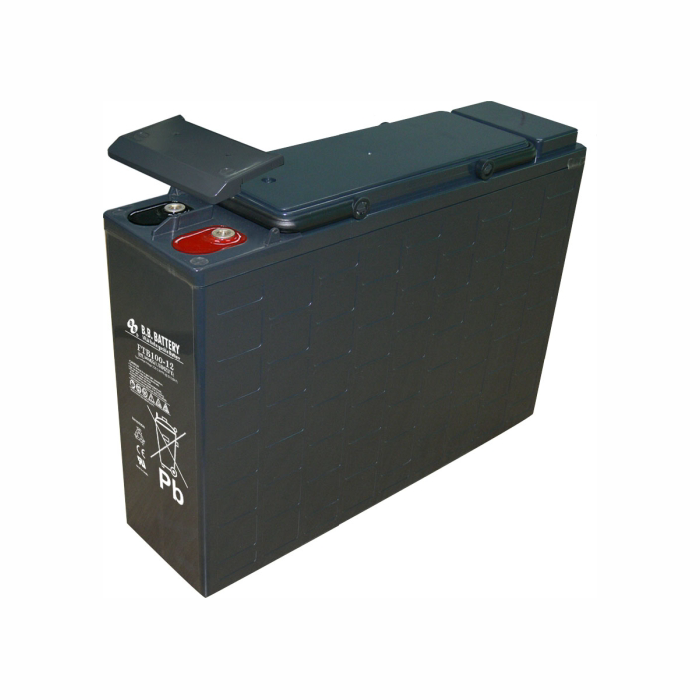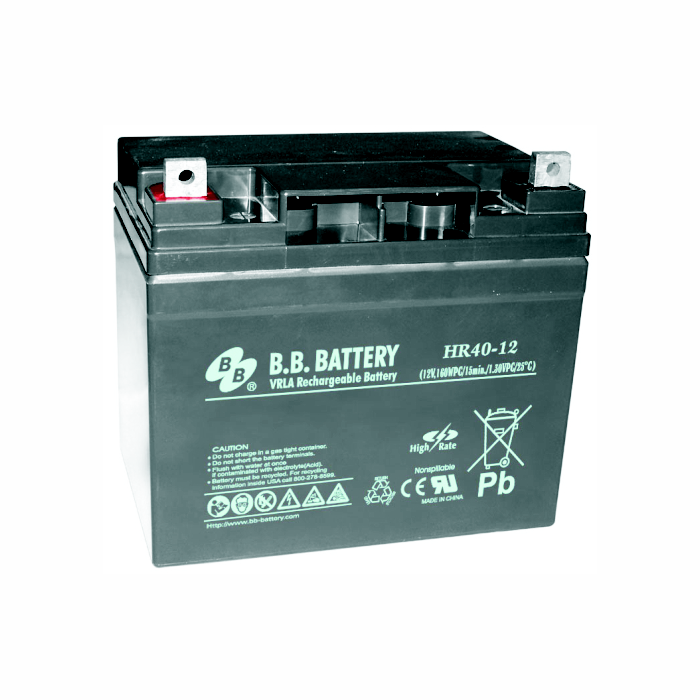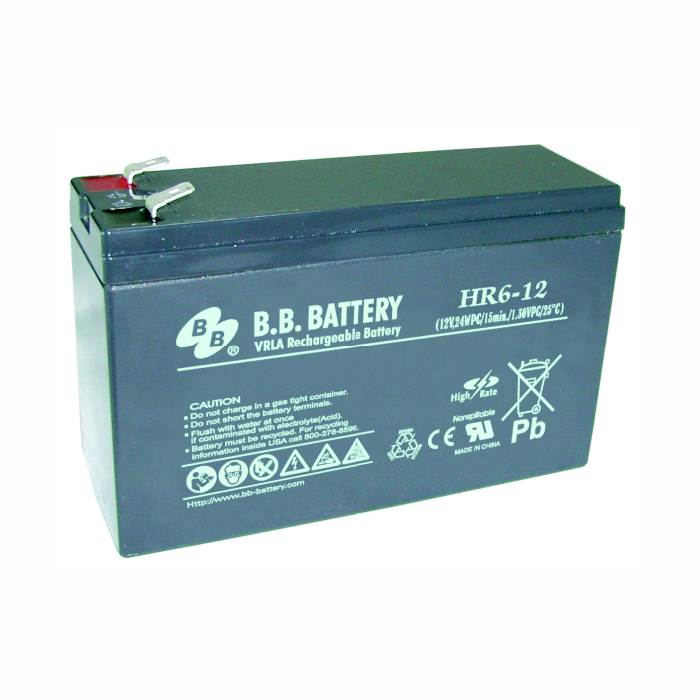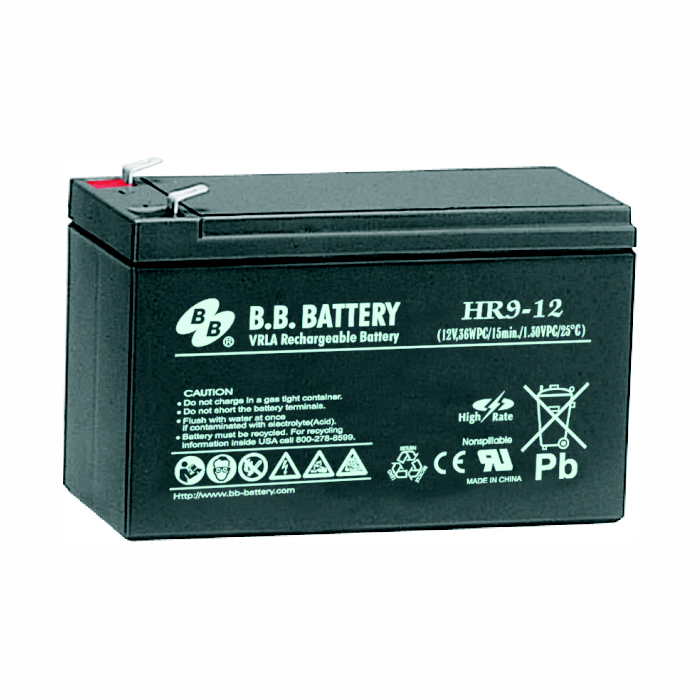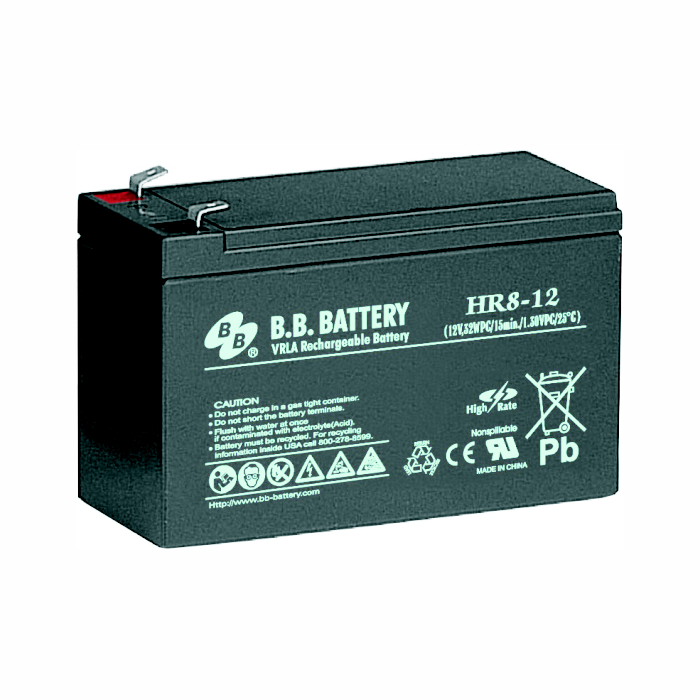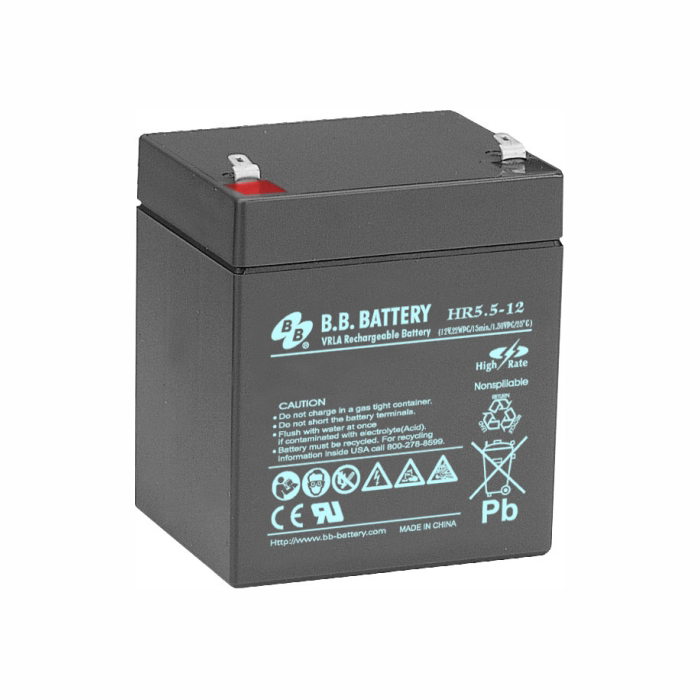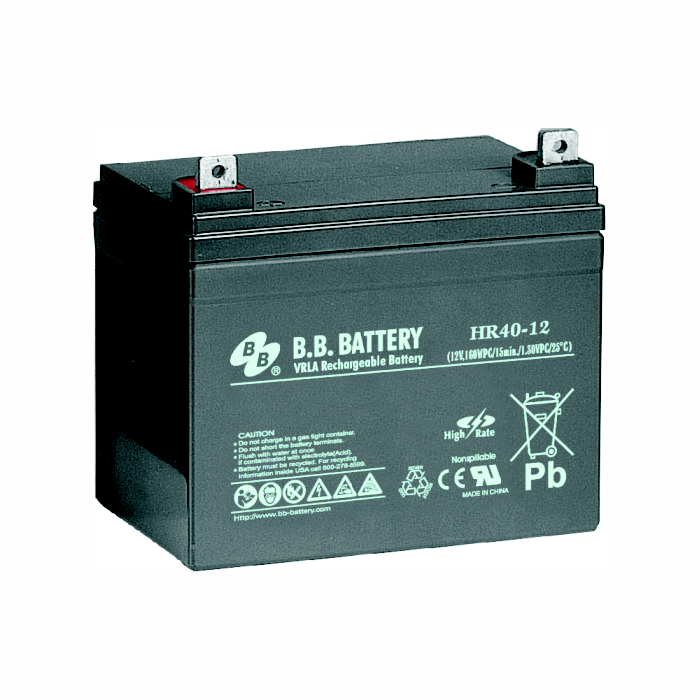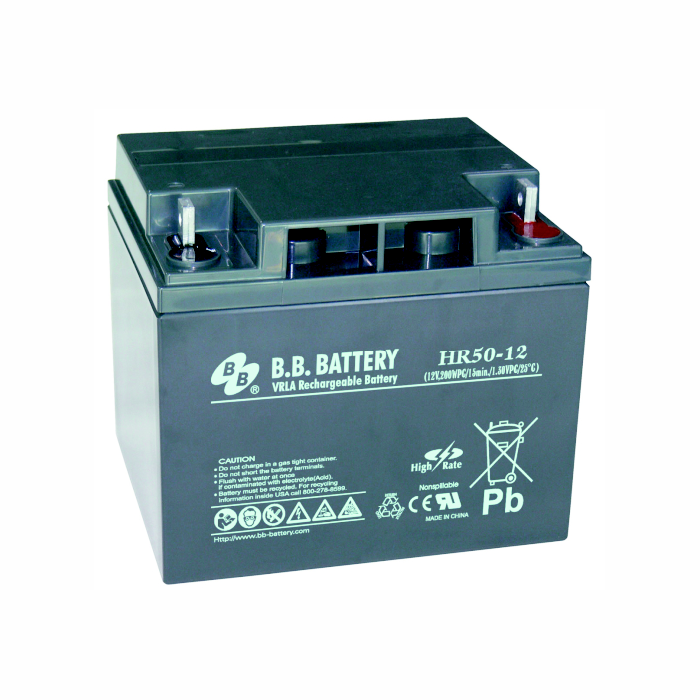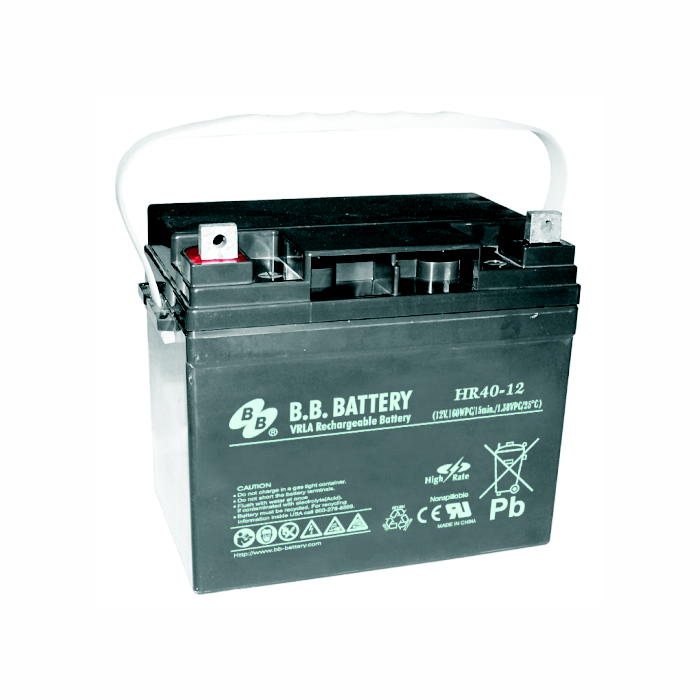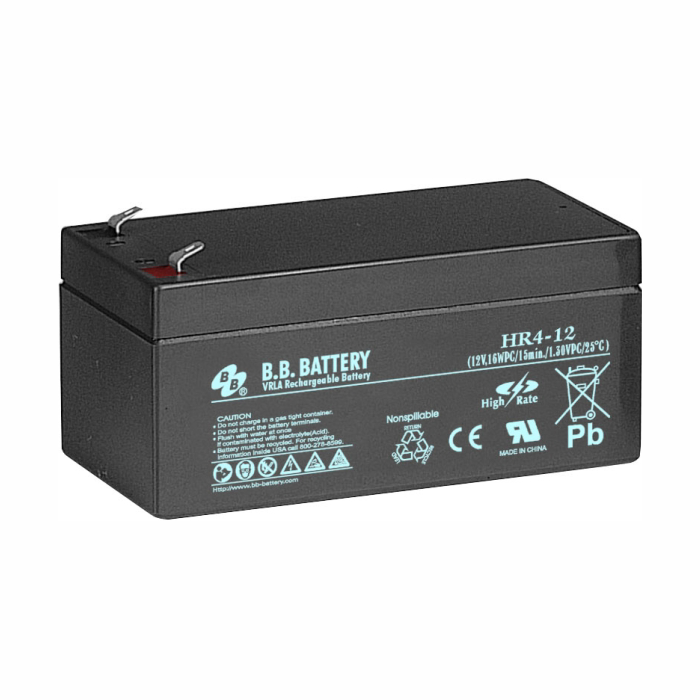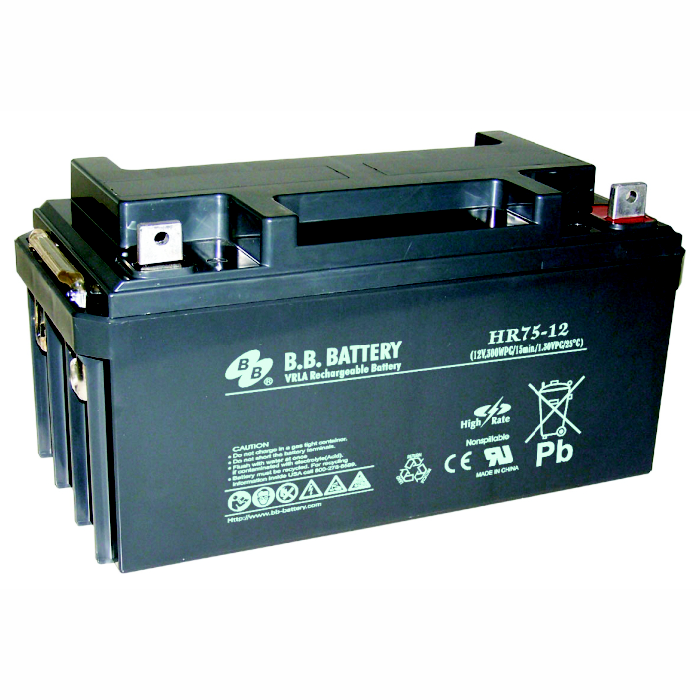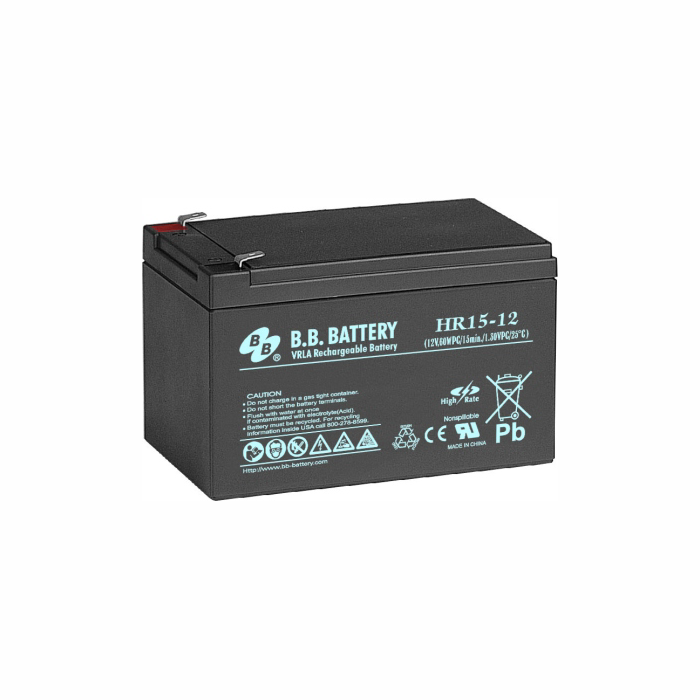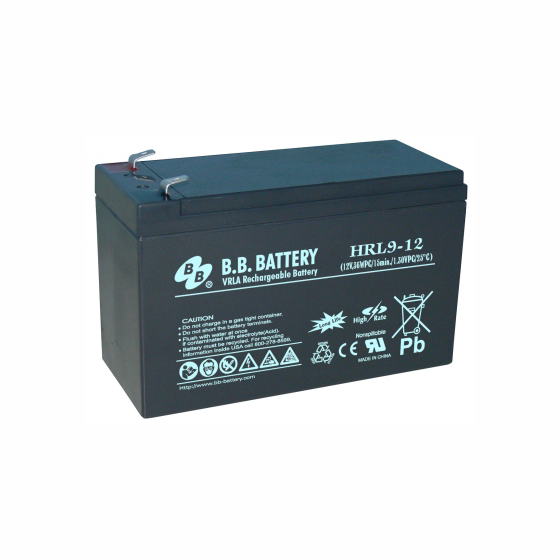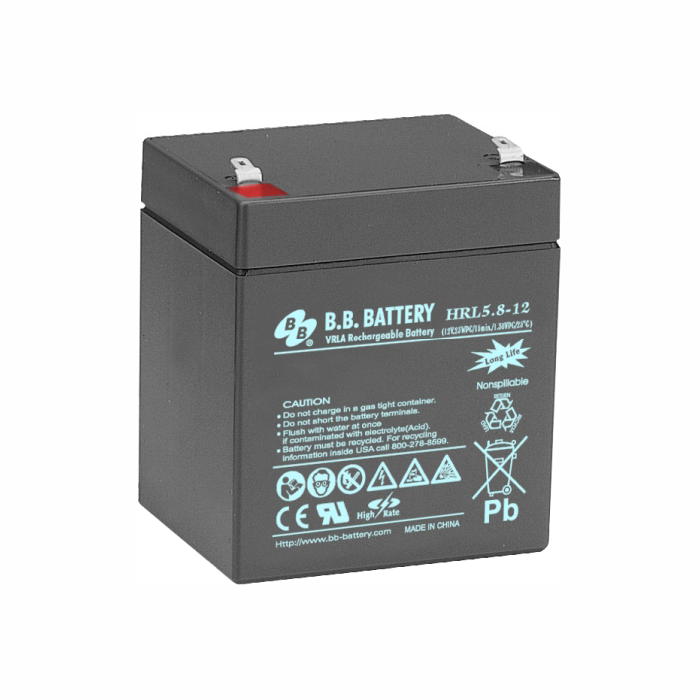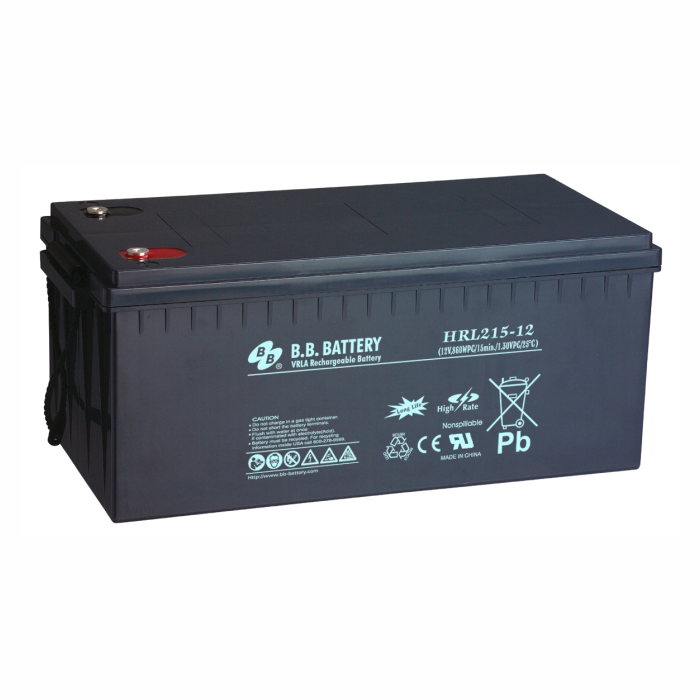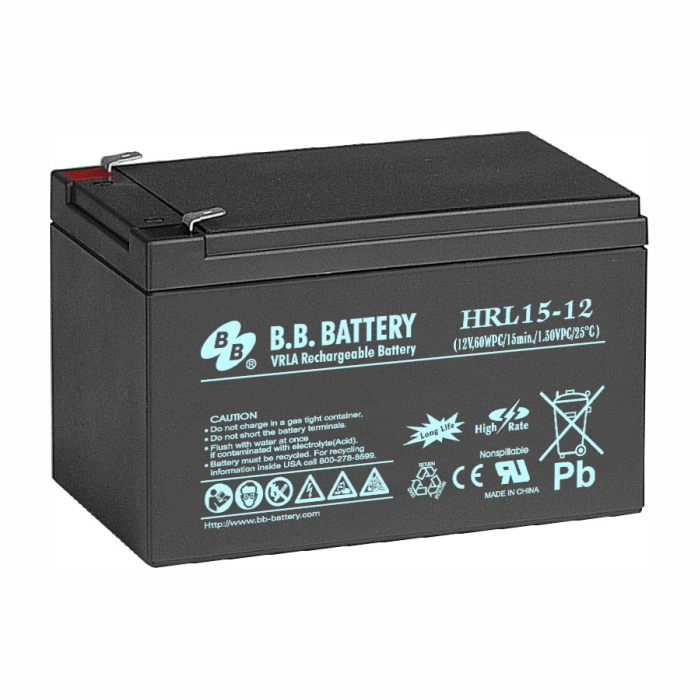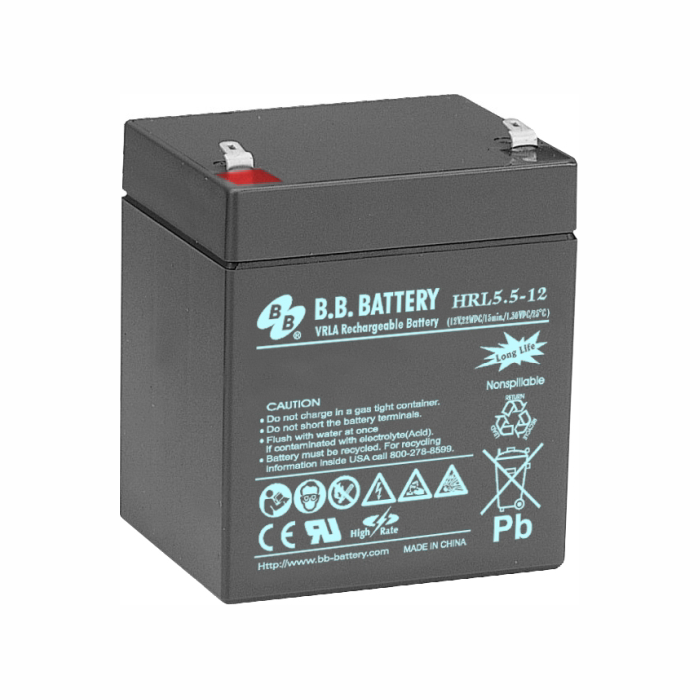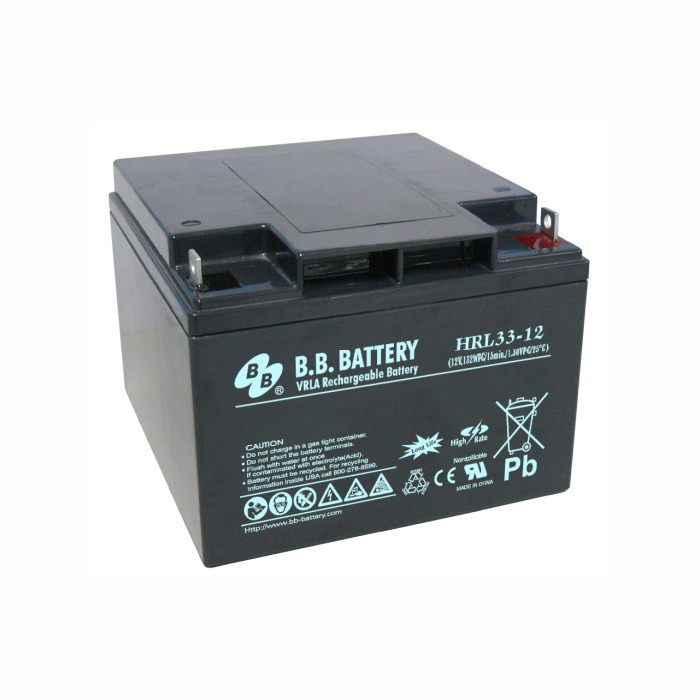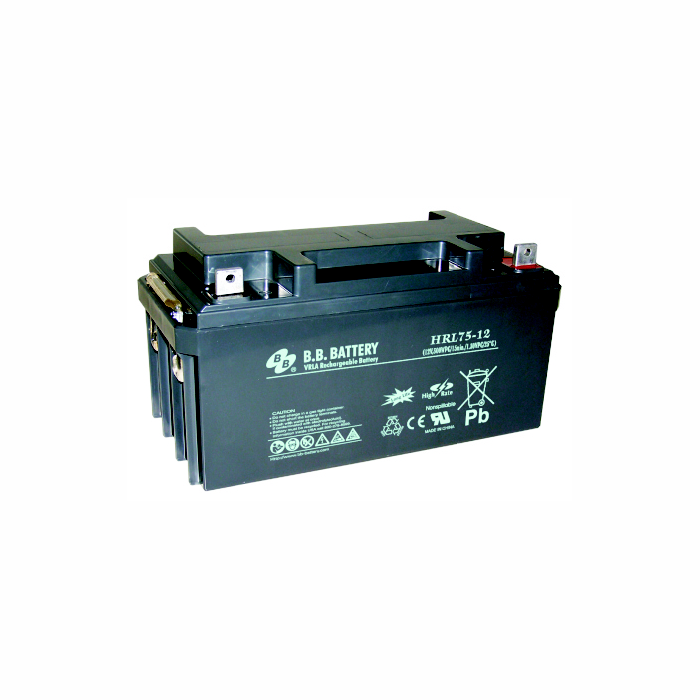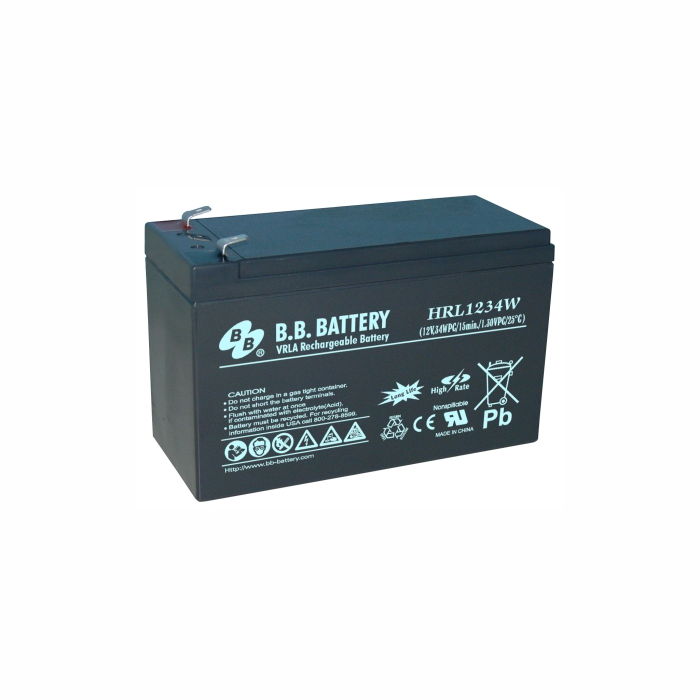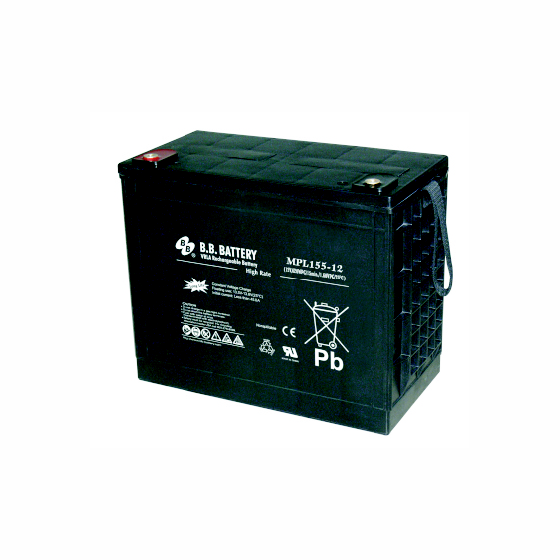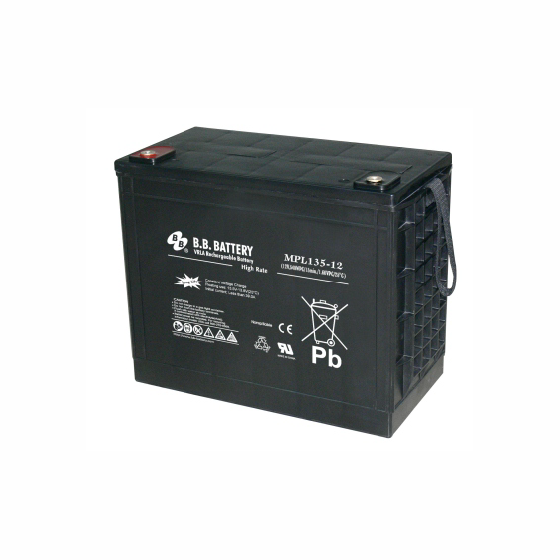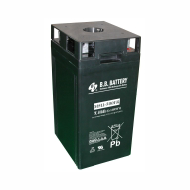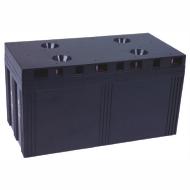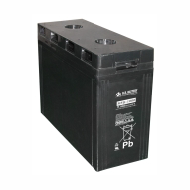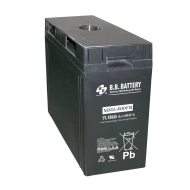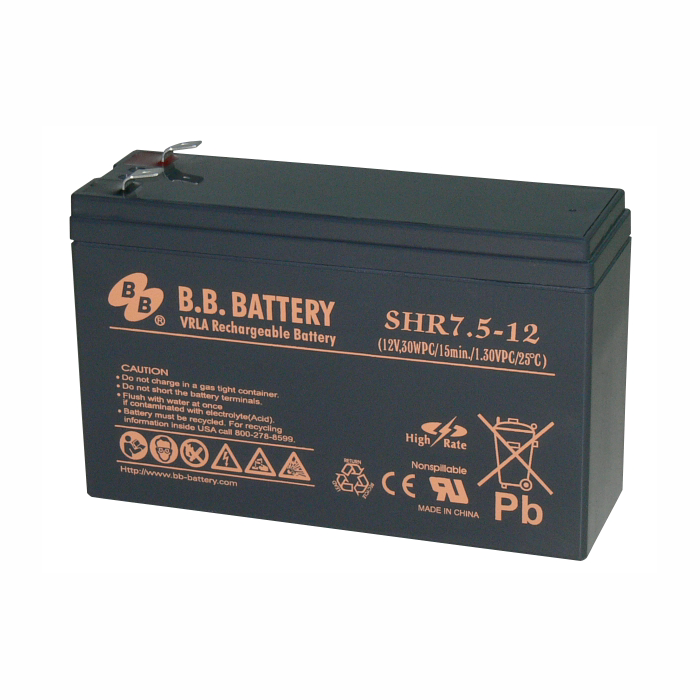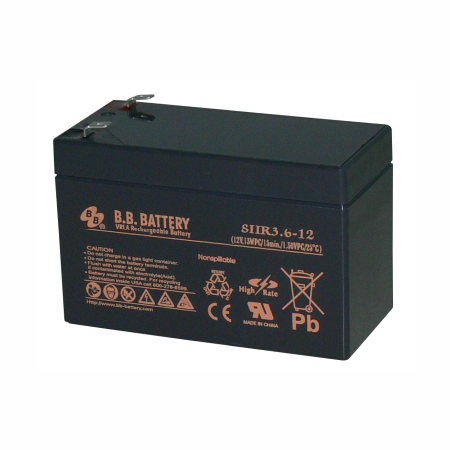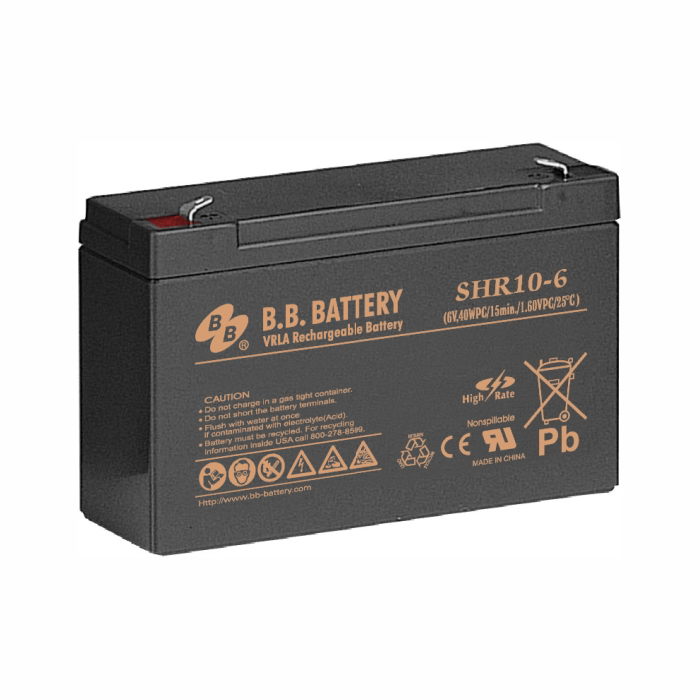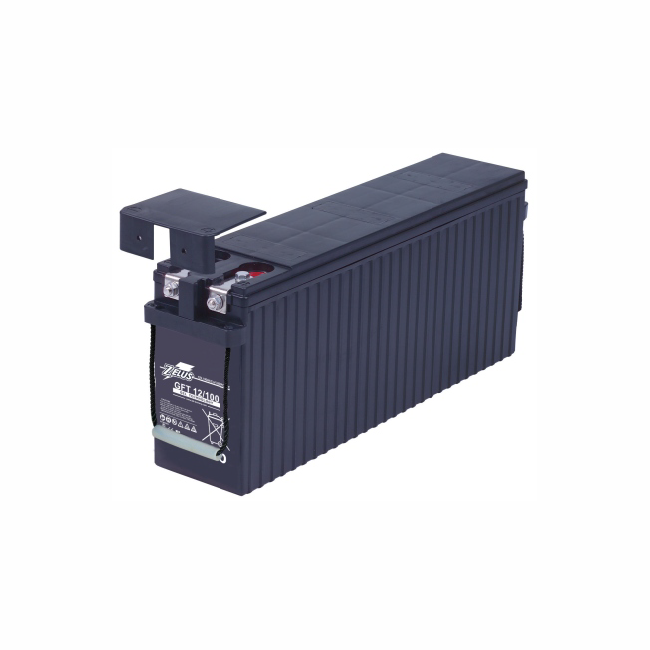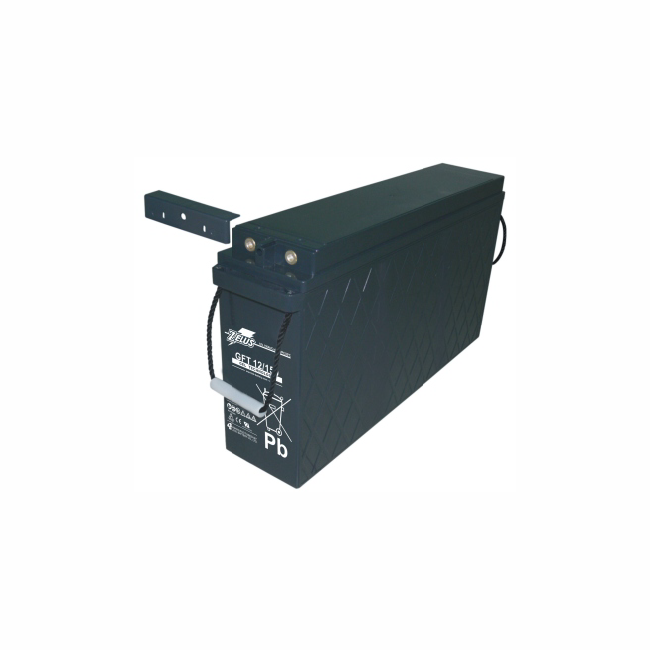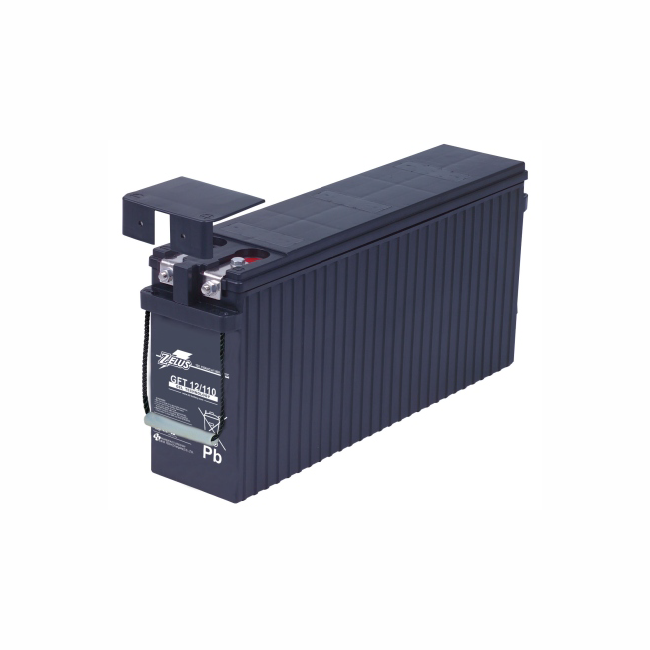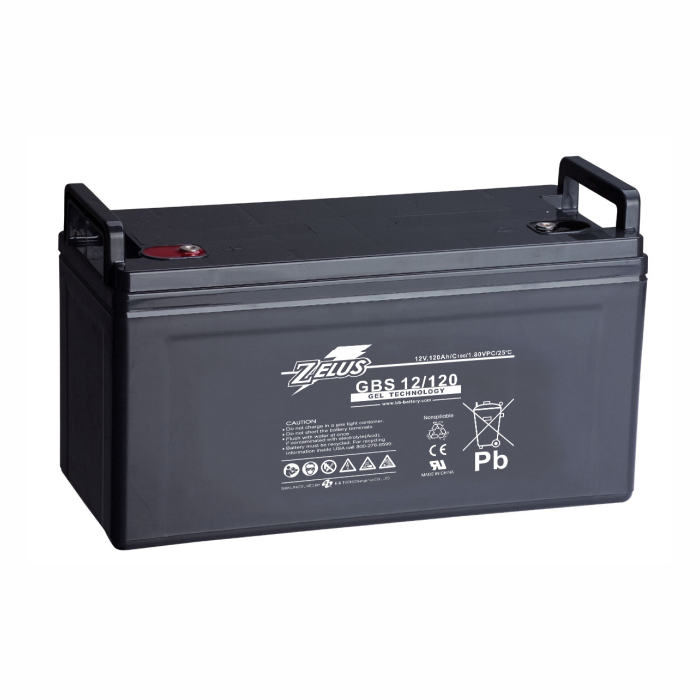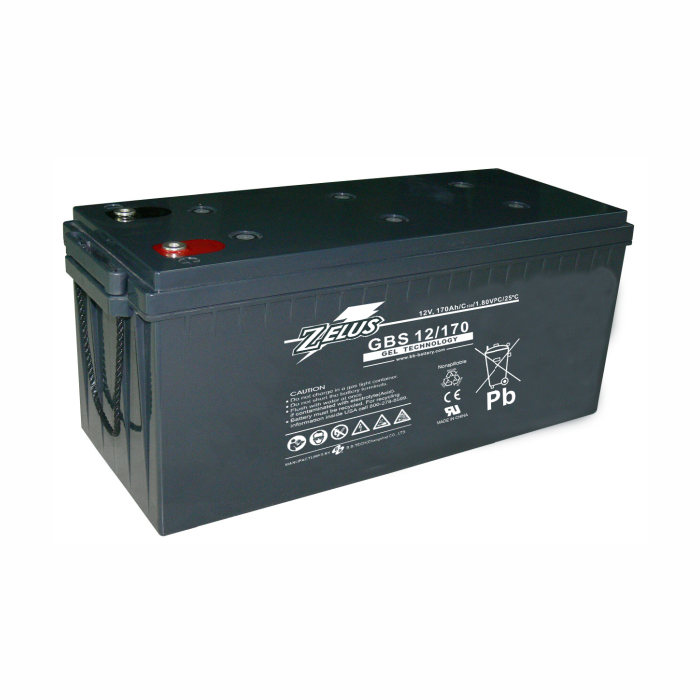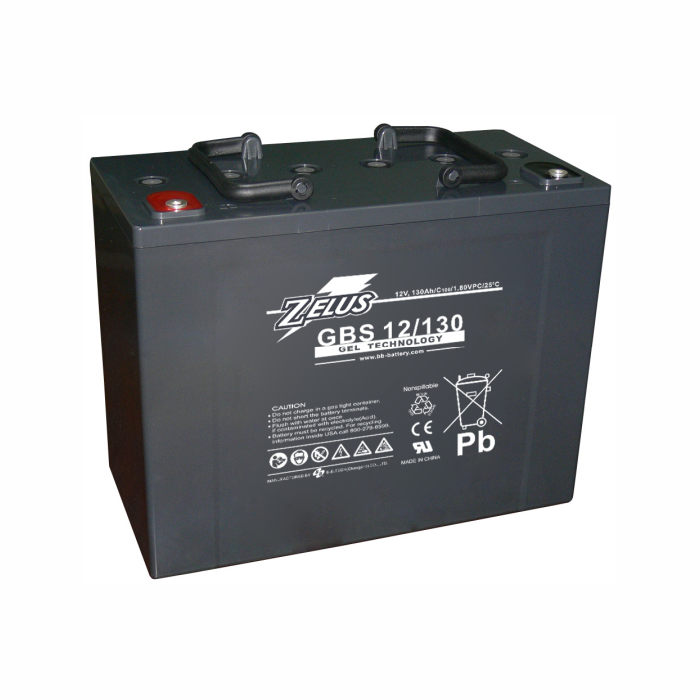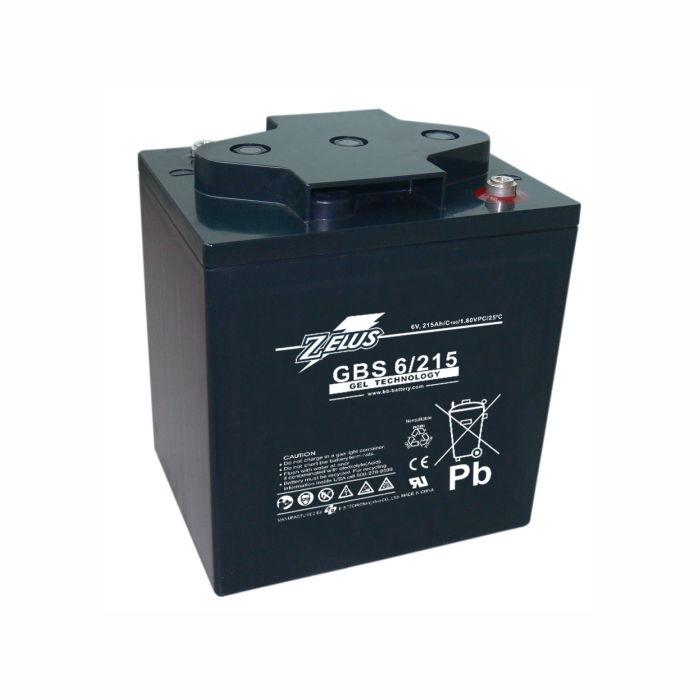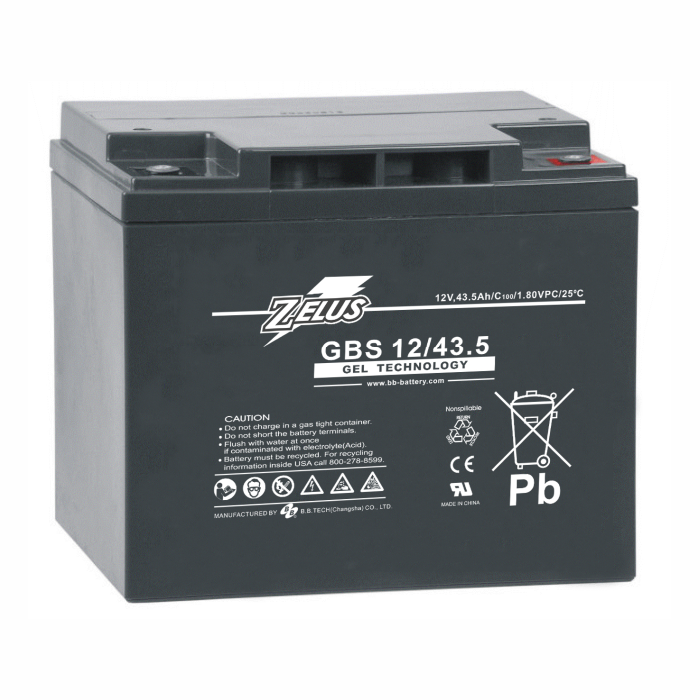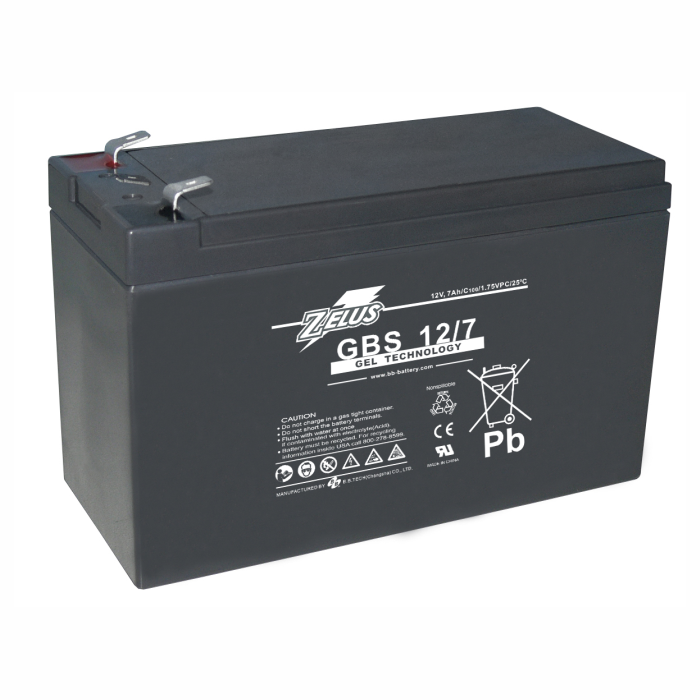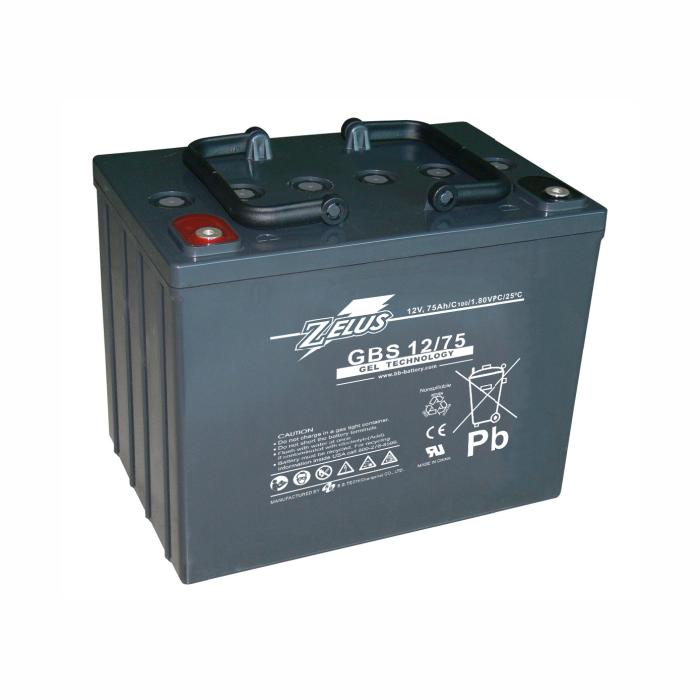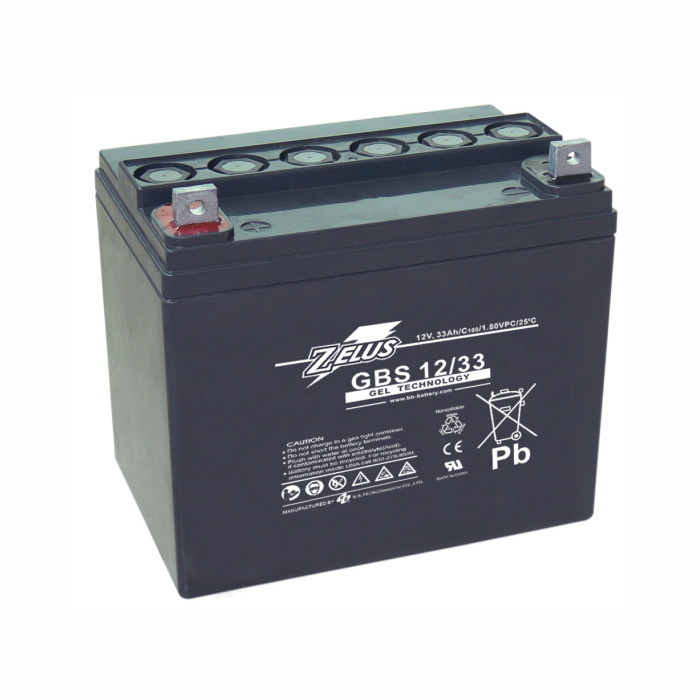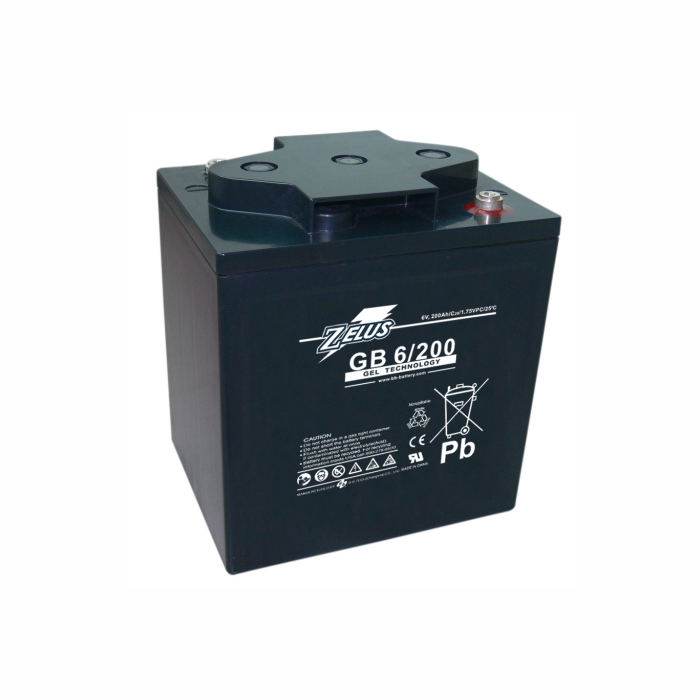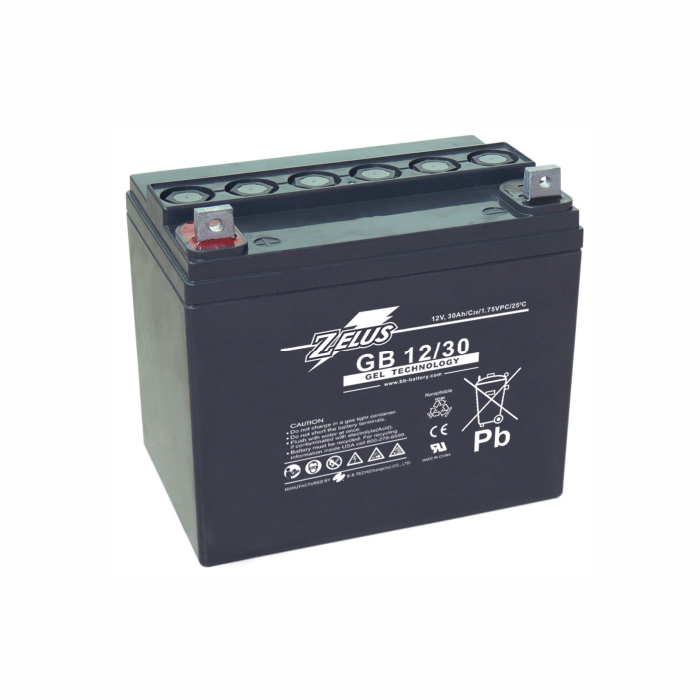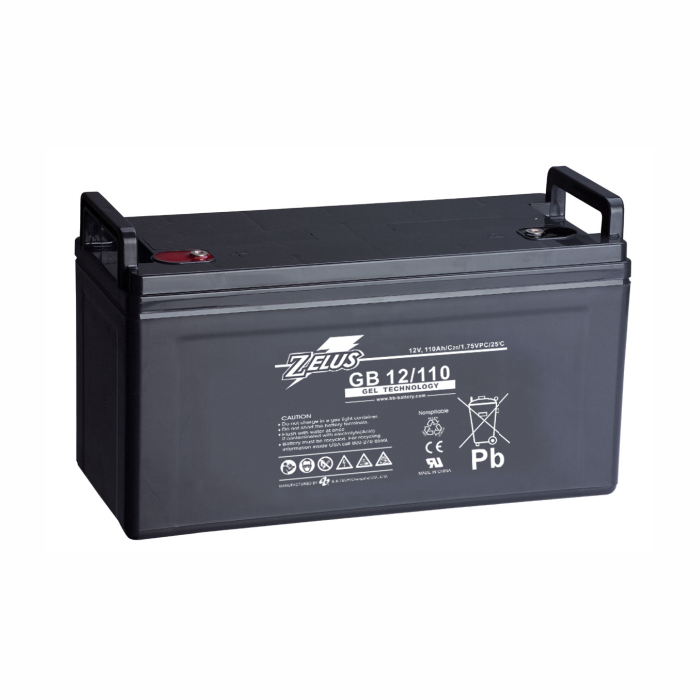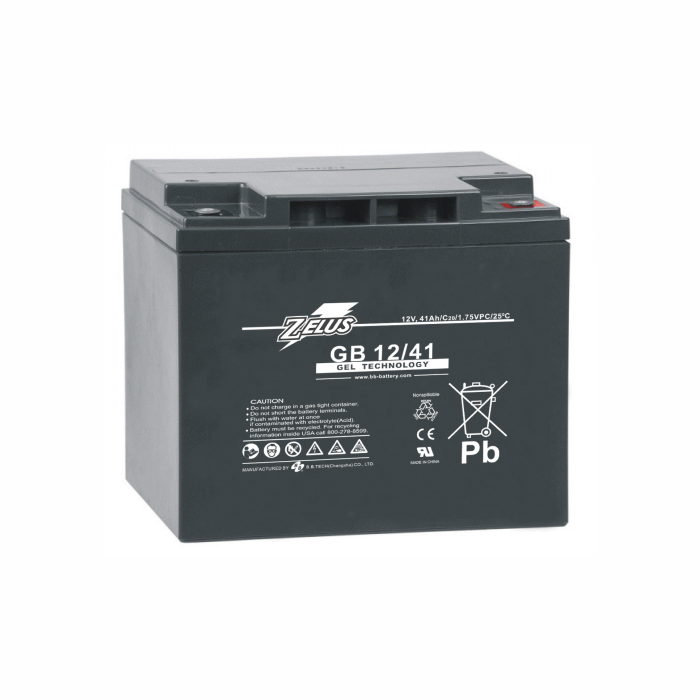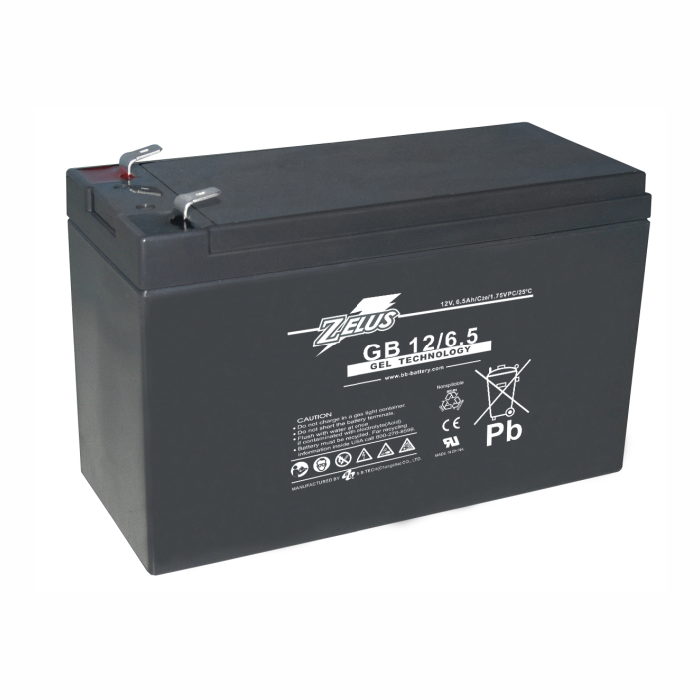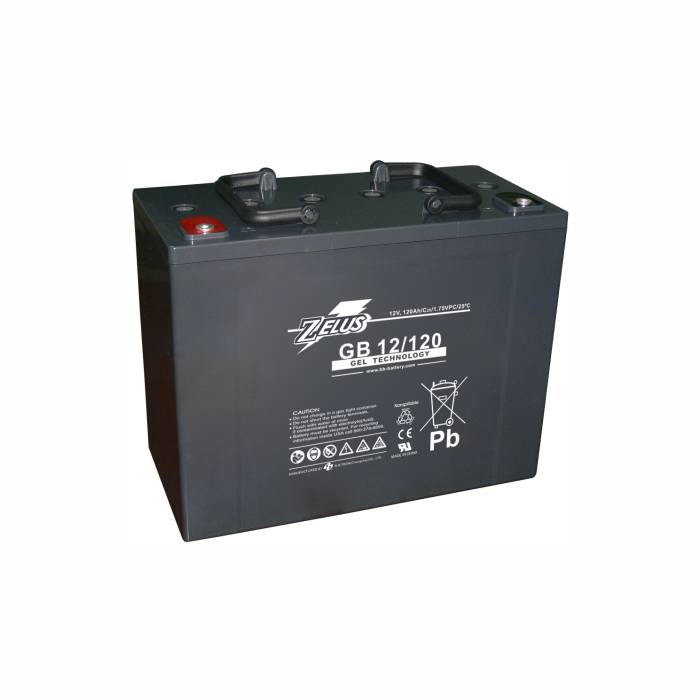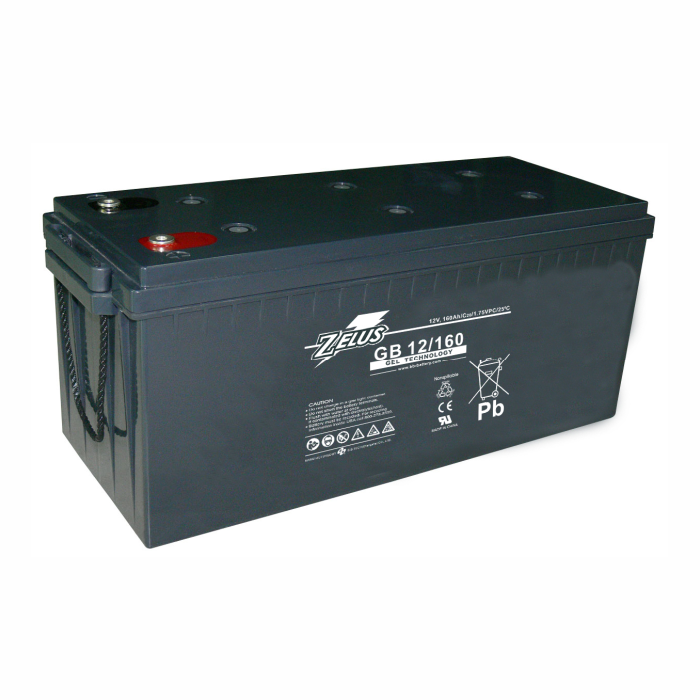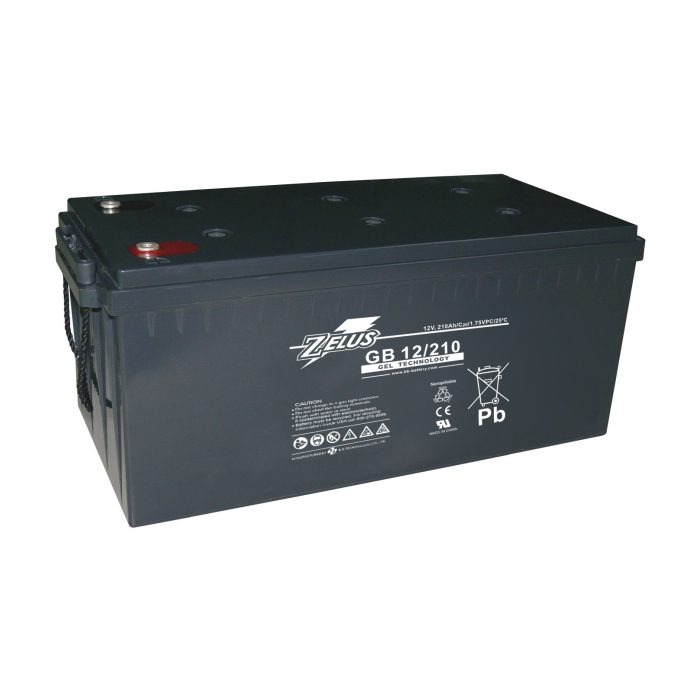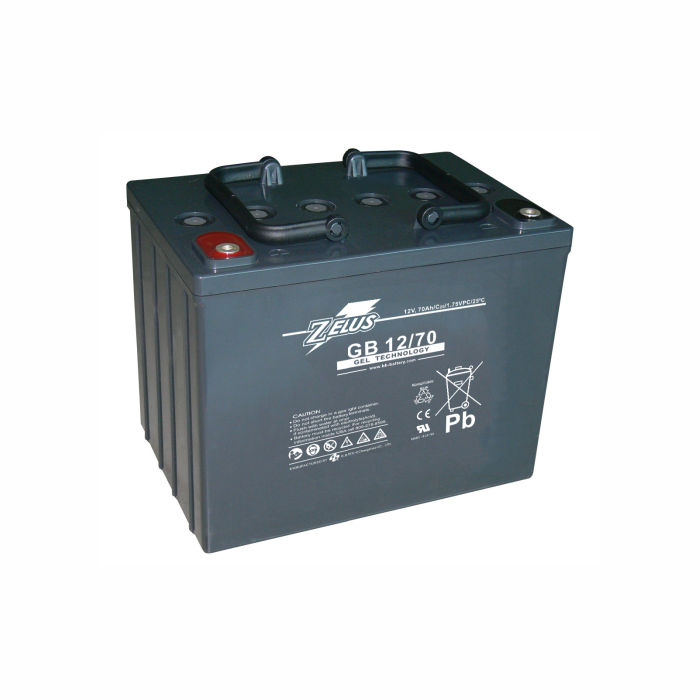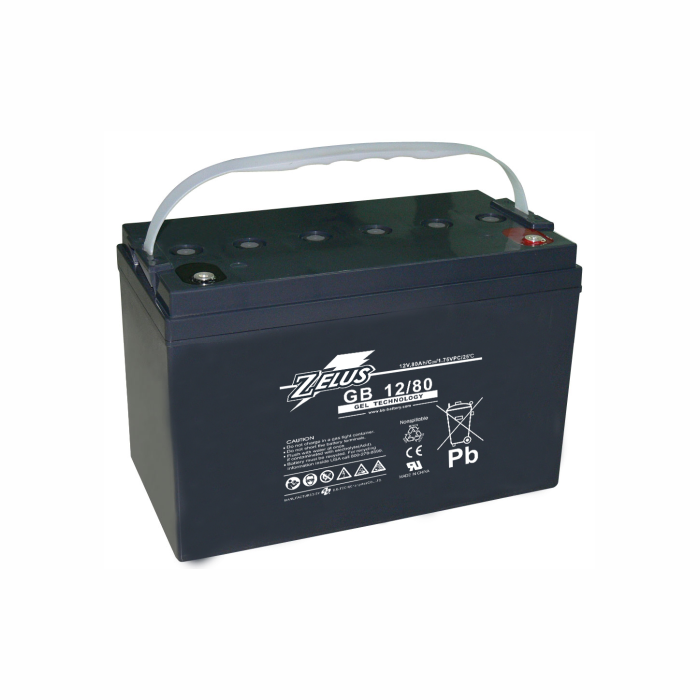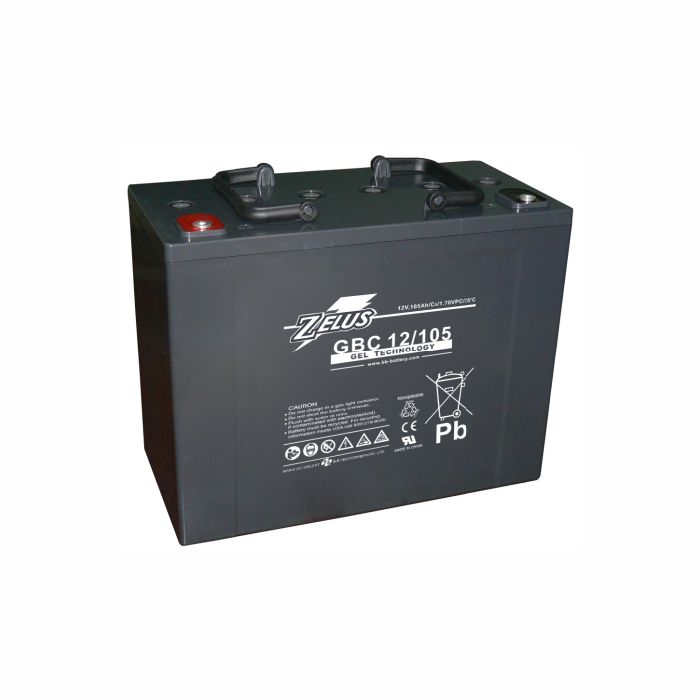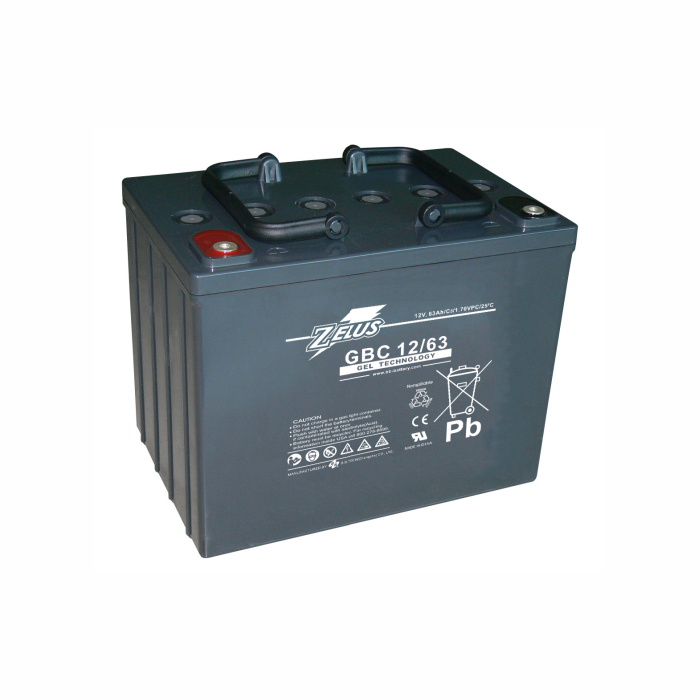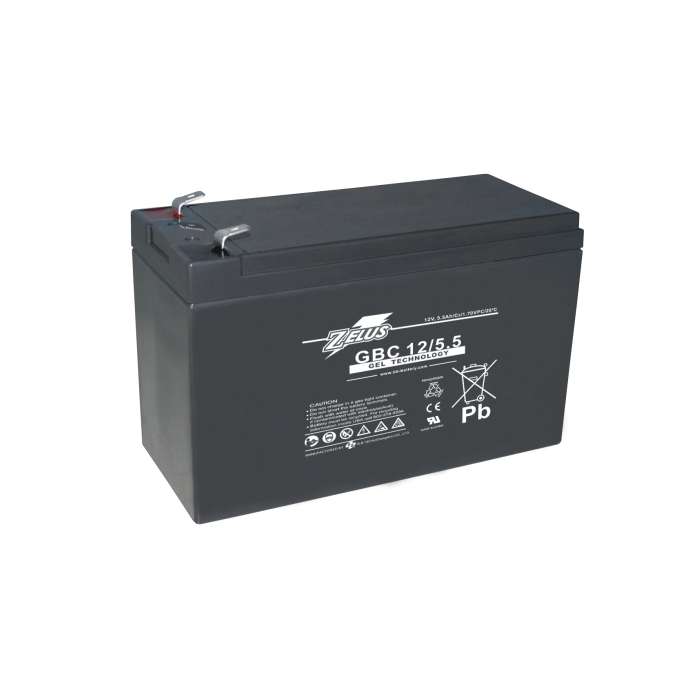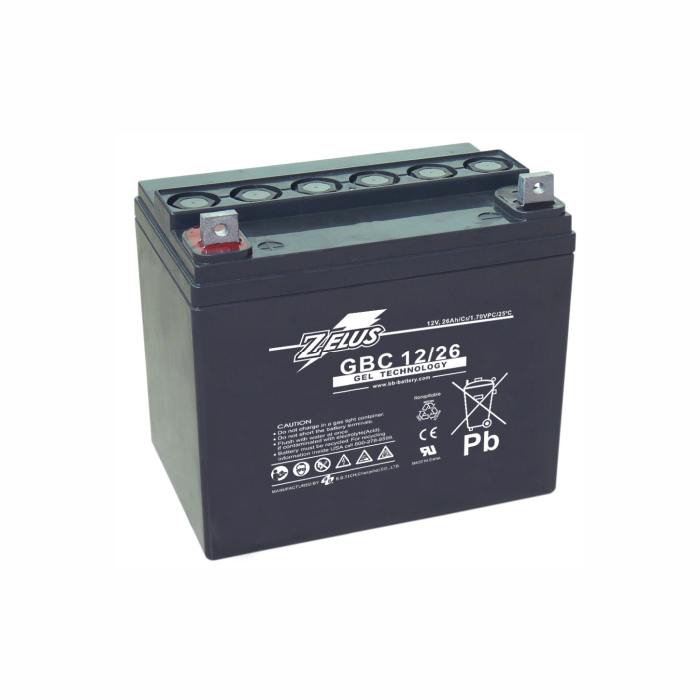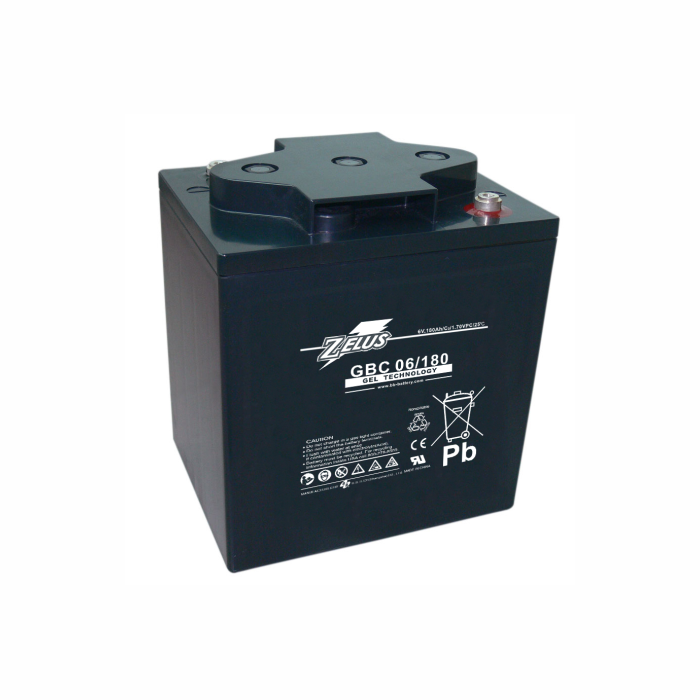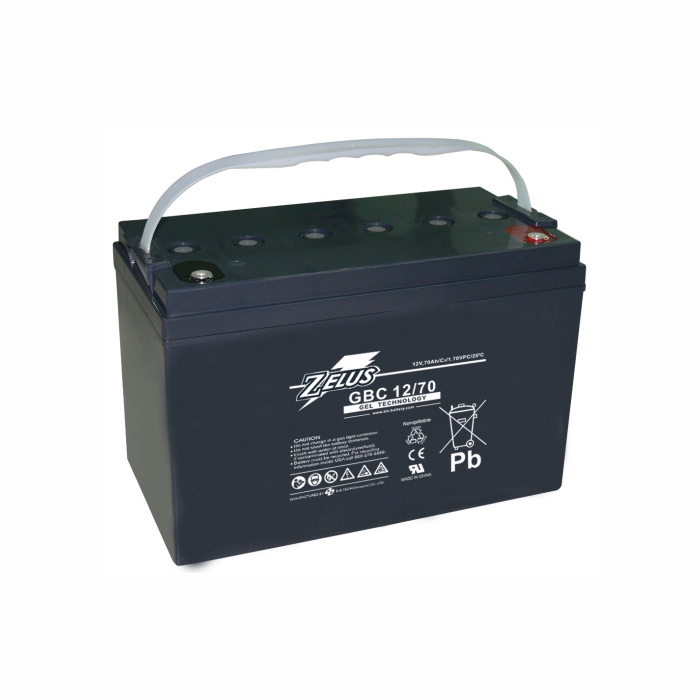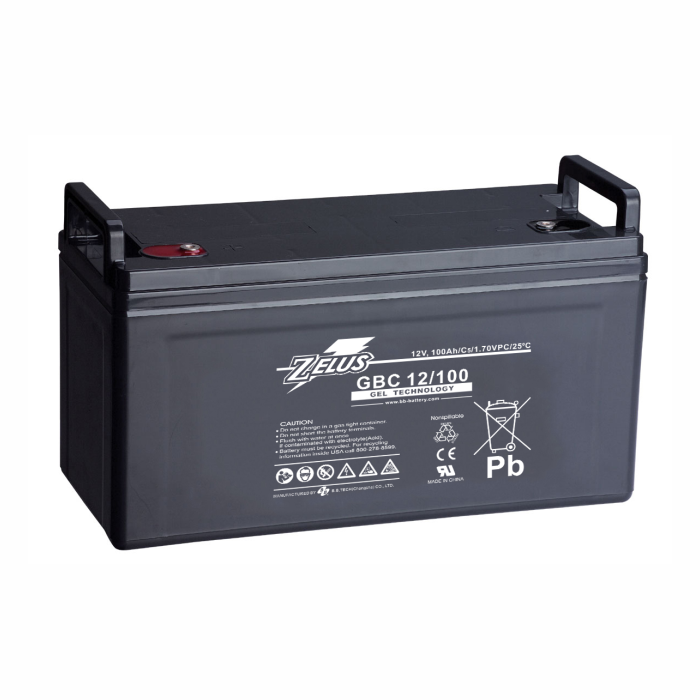
B.B. Battery (Meimei Battery) was founded in 1992 and specialises in the development, production and sale of valve-regulated sealed lead-acid batteries, with a production base in Changsha, Hunan, about 60,000 square metres of plant and more than 2,000 employees. The product line covers AGM, gel and traction batteries in 19 series and more than 200 models, widely used in uninterruptible power supplies, telecommunications, data centres, solar storage, security and medical applications, and exported to more than 100 countries and regions across Asia, Europe, the Americas and Africa.
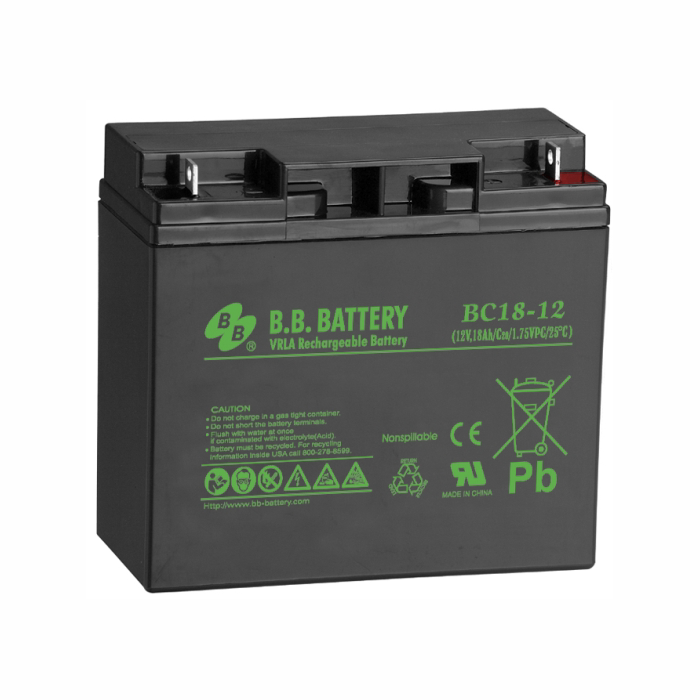
Product-line updates and selection notes from BB Battery: what each of the 19 series is for, how to read the capacity ratings, and a pre-order checklist covering voltage, capacity, terminals and mounting.
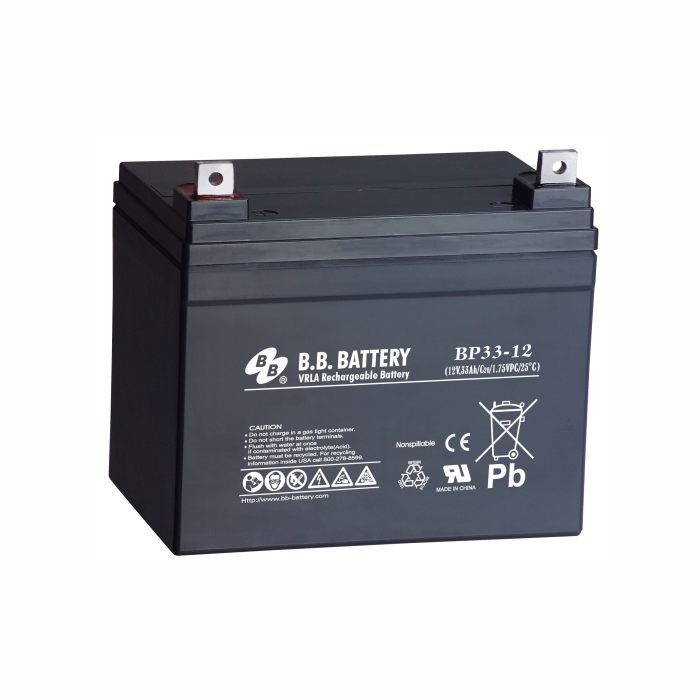
For buyers and engineers working on UPS, telecommunications, solar storage, security and medical systems, this note sets out the points to confirm before ordering: voltage and capacity first, then terminal type, then mounting method and load-bearing capacity, and finally whether a long-life or high-rate series is needed. The terminal types and series listed come from BB Battery's existing product line, and the parameter table can be used to compare model specifications item by item so that nothing is missed at ordering.
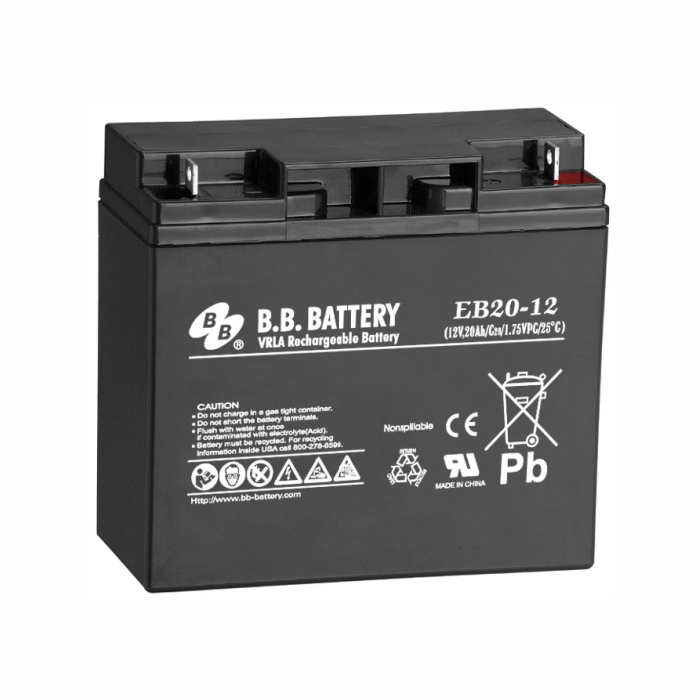
A single model's specification table often shows several capacity figures, corresponding to the 20-hour, 10-hour and 5-hour rates and other discharge conditions, with some tables also listing the 30-minute, 2-hour and 8-hour rates, 1-hour rate capacity and 15-minute rate rated power. The figures do not contradict one another; they describe the same battery over different backup durations. Before ordering, establish the backup duration the system needs, then check the capacity item for the corresponding condition.
BB Battery lists 19 lead-acid battery series, covering general purpose, long life, high rate, deep cycle, electric, front terminal and gel directions. This note sets out what each series is for across uninterruptible power supplies, telecommunications facilities, data centres, security, medical equipment, alternative energy, road lighting, e-bikes and scooters, wheelchairs, golf carts and mowers, and gives a checklist for narrowing the range to two or three series before comparing capacity, dimensions and terminals.